
Cleaning a clarinet after playing takes about two minutes. Not doing it regularly costs you pads, corks, and eventually the instrument itself. Here’s what you actually need — and what you can skip.
What You Actually Need
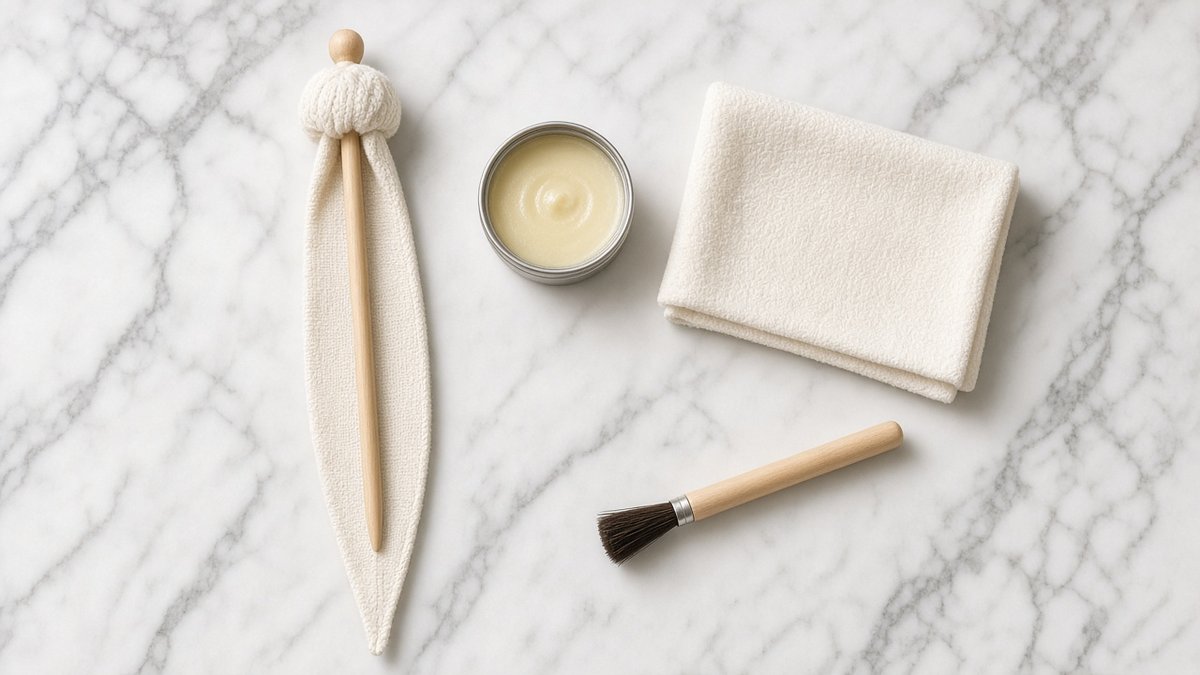
Every clarinet player needs three things: a bore swab to pull moisture out after playing, cork grease to keep joints assembling smoothly, and a mouthpiece brush for regular mouthpiece cleaning. Everything else is optional depending on how thorough you want to be.
For wood clarinets, bore oil is also essential it prevents the wood from drying out and cracking, which is an expensive repair. For ABS plastic clarinets, bore oil isn’t needed.
Quick Comparison
| Kit | Price | Best For |
|---|---|---|
| Yamaha Clarinet Maintenance Kit | $20 | Students, complete starter kit |
| SuperSlick Care Kit | $15 | Budget-friendly basics |
| SuperSlick Hanky Swab | $8 | Best individual swab |
| Libretto All-Inclusive Care Kit | $25 | Best value all-in-one |
1. Yamaha Clarinet Maintenance Kit — Best Overall
Yamaha’s kit contains everything a player needs for routine maintenance: cork grease, tone hole cleaners, pad cleaning paper, a cleaning swab, mouthpiece brush, polishing cloth, and a care manual. The quality of each individual item is better than most generic kits at the same price, and the manual is genuinely useful for players who are new to instrument care. Around $20.
- Complete set of everything you need
- Includes care manual — helpful for beginners
- Yamaha quality on each component
- Tone hole cleaners and pad cleaning paper included
- No bore oil — needed for wood clarinets
- Some items will need replacing more frequently than others
2. SuperSlick Clarinet Care Kit — Best Budget Option
SuperSlick has been making instrument care products for decades and their basic clarinet kit covers the essentials at a lower price than the Yamaha option. Includes cork grease, swab, mouthpiece brush, dust brush, and thumb rest cushion. The quality is solid and the kit is widely used in school band programs. Around $15.
- Affordable complete kit
- Trusted by school band programs
- Includes thumb rest cushion
- Swab quality not as good as Yamaha’s
- No pad cleaning paper or tone hole cleaners
3. SuperSlick Hanky Swab — Best Individual Swab
If you already have cork grease and just need a reliable swab, the SuperSlick Hanky Swab is the one most players settle on. The cotton handkerchief design with weighted cord pulls through smoothly without bunching and absorbs moisture effectively. It’s the most common swab in professional use and for good reason — it does one thing well. Around $8.
- The standard professional swab
- Pulls through smoothly without bunching
- Excellent moisture absorption
- Very affordable
- Just the swab — no other accessories included
How to Clean Your Clarinet After Every Session
After playing, disassemble the clarinet completely. Pull the swab through each joint from top to bottom at least twice, making sure to remove all moisture from the bore. Dry the mouthpiece separately — don’t run the bore swab through it as this can damage the table surface. Rinse the mouthpiece briefly under lukewarm water and let it air dry before putting it away.
Apply cork grease to the joints whenever assembly feels stiff or dry. Over-applying cork grease is better than under-applying — a dry cork is more likely to crack and is an expensive repair.
For wooden clarinets, apply bore oil every few weeks during the first year of playing and then a few times a year after that. Apply it sparingly to the inside of the bore with a wool swab, let the instrument sit for a few minutes, then swab out the excess. Never use cooking oils or furniture oils — they go rancid inside the bore.
FAQ
How often should I clean my clarinet?
Swab after every single playing session — this is not optional. Moisture left in the bore damages pads, promotes mold, and for wooden instruments, significantly increases the risk of cracking. Everything else (mouthpiece cleaning, bore oil, pad care) can be done weekly or monthly.
Do I need bore oil for a plastic clarinet?
No. Bore oil is specifically for wooden instruments to prevent the wood from drying and cracking. ABS plastic clarinets don’t need it and won’t benefit from it.
Can I use soap to clean my clarinet?
For the mouthpiece, yes — mild dish soap and lukewarm water works well. Never use soap inside the bore of the instrument, and never submerge a clarinet in water. The interior needs to be kept dry except for the brief moisture that comes from playing.
Charlotte Moore

Charlotte Moore is a Clarinetist by profession and has over time offered lessons on how to play the clarinet among other musical instruments. And while a majority of clarinet players are well versed with the process of settling with a good clarinet among other accompanying features. There is little information about clarinets. The reason why Charlotte prepared comprehensive experts touching on the various facets of the clarinet. The consolidated information will offer more insight on everything clarinets including the best stand to use, and the best plastic clarinet that you can invest in, among other information. Charlotte Moore is a devoted mother of two and a professional clarinet player.