
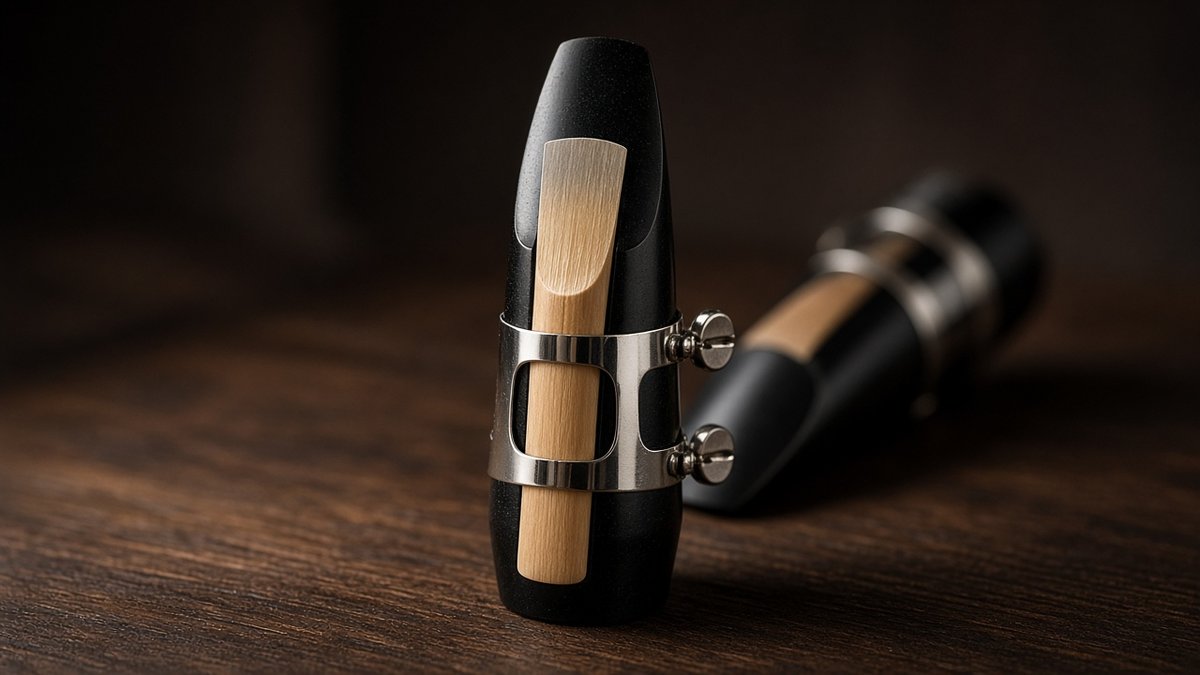
Best Clarinet Mouthpieces: A Guide for Every Level
The mouthpiece is the part of the clarinet that most players ignore until something feels wrong. That’s backwards. A good mouthpiece can make an average clarinet sound significantly better, and a poor one will hold back even an expensive instrument. If you’ve been playing on whatever came in the box, this is the upgrade that actually matters.
This guide covers the best mouthpieces across different budgets and playing levels, based on what consistently works for real players.
What the Mouthpiece Actually Does
Sound starts at the mouthpiece. The reed vibrates against the table and tip rail, and the shape of the chamber, the tip opening, and the facing curve all determine how that vibration translates into tone. A slightly more open tip gives you more flexibility and volume but requires better breath support. A more closed tip is easier to control and suits classical playing where a centered, focused sound is the goal.
Material matters too. Most good mouthpieces are made from ebonite, which is a dense hard rubber. It produces a warm tone and is forgiving across temperature changes. Cheaper instruments often come with plastic mouthpieces, which tend to sound thin and shrill regardless of how well you play.
The Best Clarinet Mouthpieces
Yamaha 4C
This is the mouthpiece most teachers hand to beginners, and it earns that recommendation honestly. At around $30, the 4C has a medium-close tip opening that’s easy to control, consistent intonation across the range, and enough durability to last years of regular practice. It’s made from hard rubber rather than ebonite, which means it won’t match more expensive options on tone depth, but for someone developing their embouchure and sound, the difference is not what holds you back.
Best for beginners and students in their first year or two.
Vandoren B45
The B45 costs around $80 to $100 and is one of the most widely used mouthpieces among intermediate and advanced players. It has a slightly more open tip than the 4C, which gives you more room to shape your sound and project in larger spaces. The ebonite construction produces a noticeably warmer tone, and the consistency between individual pieces is excellent.
Most players who upgrade from a stock mouthpiece to a B45 notice the difference immediately, particularly in the upper register where cheap mouthpieces tend to sound thin or sharp. It’s the kind of upgrade that makes practicing more enjoyable because the instrument responds the way you expect.
Best for players with 2 or more years of experience, or anyone who has outgrown their stock mouthpiece.
Vandoren BD5 Black Diamond
At around $140 to $160, the BD5 is designed for players who want a darker, more focused sound, particularly in orchestral settings. The facing is slightly longer than standard Vandoren models, which means the reed has more freedom to vibrate and produces a fuller low end. It takes a bit of adjustment if you’re coming from a more responsive mouthpiece, but once you’ve settled in, the tone quality is exceptional.
Best for advanced players focused on classical or orchestral playing.
Selmer Goldentone 3
If budget is a real constraint, the Selmer Goldentone costs around $25 and is a reliable option that outperforms most plastic stock mouthpieces. It won’t give you the warmth of an ebonite Vandoren, but it’s a significant step up from what comes bundled with most student instruments, and it plays well with standard reeds.
Best for beginners on a tight budget, or as a backup mouthpiece.
Quick Comparison
| Mouthpiece | Price | Material | Best For |
|---|---|---|---|
| Yamaha 4C | ~$30 | Hard rubber | Beginners |
| Vandoren B45 | ~$90 | Ebonite | Intermediate/Advanced |
| Vandoren BD5 Black Diamond | ~$150 | Ebonite | Classical/Orchestral |
| Selmer Goldentone 3 | ~$25 | Hard rubber | Budget option |
A Few Things Worth Knowing Before You Buy
Mouthpieces are personal. Two players on the same model can have very different experiences depending on their embouchure, the reeds they use, and the instrument they’re playing on. If possible, try before you buy, or buy from somewhere with a reasonable return policy.
The tip opening and your reed strength need to work together. A more open mouthpiece generally pairs better with a softer reed. A more closed one handles stiffer reeds well. If you switch mouthpieces and suddenly struggle to get a good sound, try adjusting your reed strength before concluding the mouthpiece isn’t right for you.
Finally, clean your mouthpiece regularly. Rinse it with lukewarm water after playing and let it air dry. Never use hot water or alcohol, as both can damage the material over time.
Charlotte Moore

Charlotte Moore is a Clarinetist by profession and has over time offered lessons on how to play the clarinet among other musical instruments. And while a majority of clarinet players are well versed with the process of settling with a good clarinet among other accompanying features. There is little information about clarinets. The reason why Charlotte prepared comprehensive experts touching on the various facets of the clarinet. The consolidated information will offer more insight on everything clarinets including the best stand to use, and the best plastic clarinet that you can invest in, among other information. Charlotte Moore is a devoted mother of two and a professional clarinet player.