
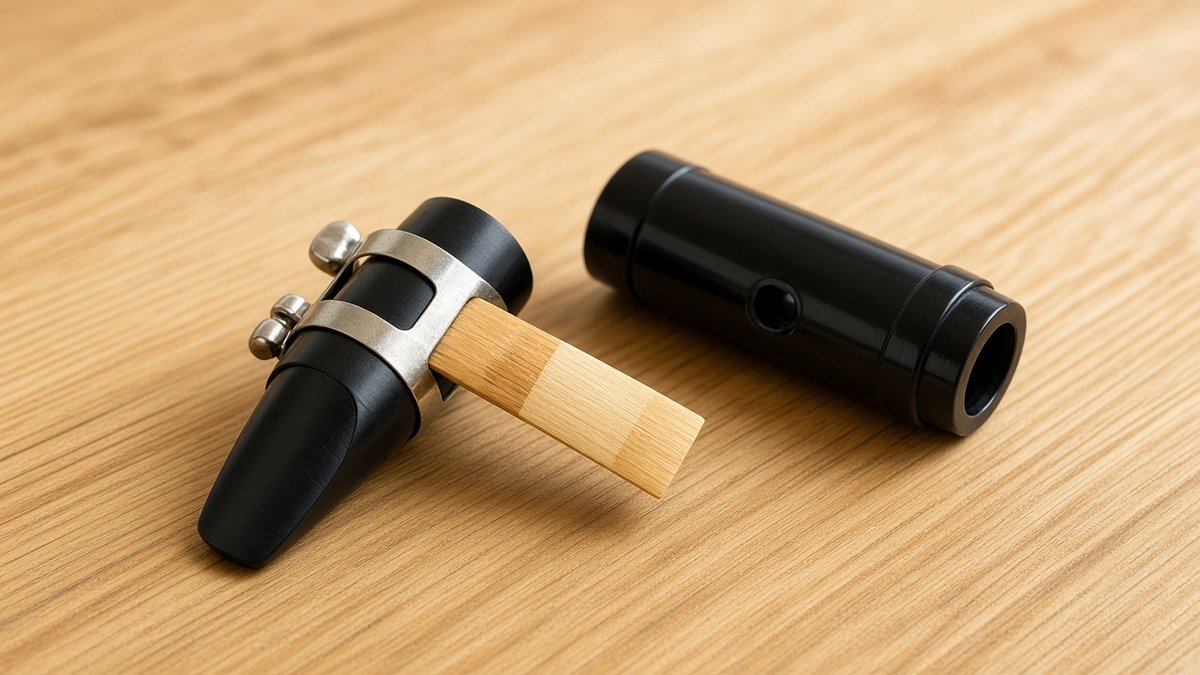
Best Clarinet Mouthpieces for Beginners
Most student clarinets come with a plastic mouthpiece, and most of those mouthpieces are not good. They tend to produce a thin, slightly shrill sound that makes it harder to develop a warm tone, harder to control pitch in the upper register, and honestly harder to enjoy practicing. The good news is that a decent beginner mouthpiece costs between $25 and $100, which is a small investment compared to what you’ve already spent on the instrument.
This guide covers the best mouthpieces specifically suited to beginners: options that are easy to play on, forgiving as you develop your embouchure, and won’t need replacing for years.
What Makes a Mouthpiece Good for Beginners
A beginner mouthpiece should have a medium-close to medium tip opening. Too open, and the reed requires more air and embouchure precision than a new player has yet developed. Too closed, and the tone becomes pinched and difficult to project. Medium is forgiving.
Consistent manufacturing matters more for beginners than for experienced players, because a beginner can’t compensate for an inconsistent mouthpiece the way an advanced player can. Stick to established brands where quality control is reliable.
Material-wise, hard rubber is fine for beginners. Full ebonite, which is what higher-end mouthpieces use, produces a warmer tone, but the difference is subtle and less important than developing the fundamentals of good tone production.
The Best Beginner Mouthpieces
Yamaha 4C – The Safe Choice
The Yamaha 4C is the mouthpiece most clarinet teachers recommend to beginners, and with good reason. It plays in tune across the full range, has a medium tip opening that suits most beginners, and is made from hard rubber with consistent manufacturing quality. It’s the mouthpiece that gets out of your way and lets you focus on learning.
Many players stick with the 4C for two or three years before feeling the need to move on. That’s a sign of how well it works, not a limitation.
Vandoren B45 – For the Serious Beginner
If you or your child is taking lessons seriously from the start, investing in a Vandoren B45 makes sense. It’s made from ebonite, which produces a noticeably warmer and more resonant tone than the Yamaha 4C. The B45 is slightly more demanding to play well, but not so demanding that a beginner can’t handle it with a good teacher.
The advantage of starting on a B45 is that you won’t need to replace it for years. Many intermediate and advanced players use B45s as their primary mouthpiece. Buying one as a beginner means one less upgrade to worry about later.
Selmer Goldentone 3 – Budget Option
For beginners who need to keep costs low, the Selmer Goldentone 3 is a significant step up from the plastic mouthpiece that came with most student instruments. It’s not going to wow anyone with tone complexity, but it plays reliably, stays in tune, and costs around $25.
If budget is genuinely the priority, the Goldentone is worth picking over keeping whatever stock mouthpiece came in the box.
Quick Comparison
| Mouthpiece | Price | Best For |
|---|---|---|
| Yamaha 4C | $30 | Most beginners |
| Vandoren B45 | $90 | Serious beginners, long-term use |
| Selmer Goldentone 3 | $25 | Budget-focused beginners |
Matching Your Mouthpiece to a Reed
Whichever mouthpiece you choose, pair it with a reed in the 2 to 2.5 strength range to start. That combination is the most forgiving for beginners and gives you the best chance of producing a consistent, controlled sound while you’re still developing your embouchure.
As your playing progresses and your tone production becomes more reliable, you can experiment with slightly stiffer reeds and see how your sound changes.
One Thing to Avoid
Don’t buy a used mouthpiece unless you can inspect it in person. The tip rail, which is the thin edge the reed sits against, is extremely sensitive to damage. Even a small chip or uneven wear can make a mouthpiece unplayable. New mouthpieces in the price ranges listed here are affordable enough that the risk of buying used isn’t worth it.
Charlotte Moore

Charlotte Moore is a Clarinetist by profession and has over time offered lessons on how to play the clarinet among other musical instruments. And while a majority of clarinet players are well versed with the process of settling with a good clarinet among other accompanying features. There is little information about clarinets. The reason why Charlotte prepared comprehensive experts touching on the various facets of the clarinet. The consolidated information will offer more insight on everything clarinets including the best stand to use, and the best plastic clarinet that you can invest in, among other information. Charlotte Moore is a devoted mother of two and a professional clarinet player.