
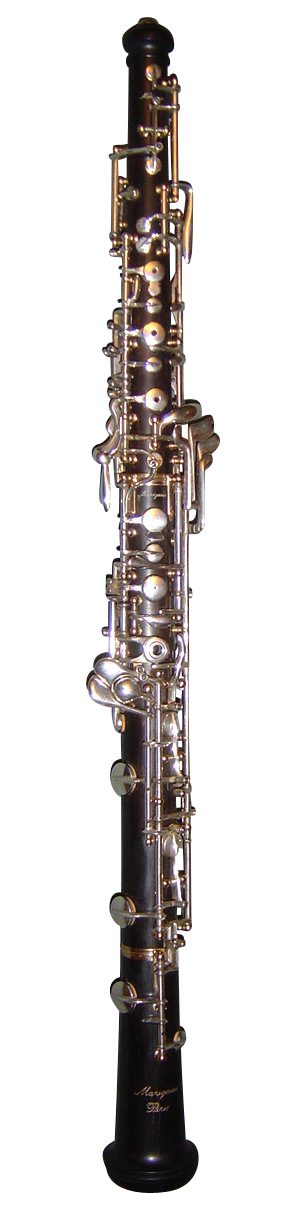
Finding the best oboe for beginners means choosing an instrument that’s forgiving to play, stays reliably in tune, and is built to handle the learning process. The best oboe for beginners is usually a durable resin model with a simplified key system, which makes the demanding early stages of oboe playing more manageable. This guide covers the oboes that genuinely work for students starting out on this rewarding but challenging instrument.
What Makes the Oboe Different
The oboe is a double-reed instrument, which sets it apart from single-reed instruments like the clarinet and saxophone. Producing a sound requires controlling two reeds vibrating against each other, which takes patience and a developed embouchure. The oboe has a beautiful, expressive, slightly nasal tone that’s central to orchestras and concert bands. Because it’s more demanding than many beginner instruments, choosing a quality student oboe with reliable intonation matters a great deal for keeping a new player motivated.
Best Oboe for Beginners: Quick Comparison
| Oboe | Price | Body | Best For |
|---|---|---|---|
| Yamaha YOB-241 | ~$2,500 | ABS resin | Best overall student oboe |
| Fox Renard 330 | ~$2,800 | Resin | Best for advancing students |
| Buffet Crampon Prodige | ~$2,200 | Resin | Best value student oboe |
Yamaha YOB-241: Best Oboe for Beginners Overall
The Yamaha YOB-241 is the most recommended student oboe, and it’s often described as one of the most professional-sounding beginner instruments available. It features a durable ABS resin body that resists the cracking and warping that affect wooden oboes, which makes it ideal for students still learning proper care. The simplified conservatory key system makes it easier for beginners to learn fingerings, while the bore design, based on Yamaha’s professional models, delivers surprisingly precise intonation and a warm, rich tone. It comes with a case and is built to serve players well through their first few years.
Pros
- Durable ABS resin resists cracking
- Simplified conservatory system eases learning
- Surprisingly precise intonation for a student oboe
- Warm tone based on professional bore design
- Reliable Yamaha quality and resale value
Cons
- Significant investment, as all oboes are
- Lacks some keys found on advanced models
View Yamaha YOB-241 Price on Amazon
Fox Renard 330: Best for Advancing Students
The Fox Renard 330 is a highly regarded student and intermediate oboe, made by a respected American manufacturer. Its resin body mimics the warm tone of wooden oboes while resisting cracking, and it offers features that allow beginners to develop proper technique from the start. The Fox is praised for its rich tone and reliable mechanics, and it’s a particularly good choice for a serious middle or high school student who wants an instrument they can grow into. It costs a bit more than the Yamaha but is favoured by many oboe teachers for its tonal quality.
Pros
- Rich tone close to a wooden oboe
- Resin body resists cracking
- Reliable mechanics favoured by teachers
- Good for serious advancing students
Cons
- More expensive than the Yamaha
- May be more instrument than a casual beginner needs
View Fox Renard 330 Price on Amazon
Buffet Crampon Prodige: Best Value Student Oboe
The Buffet Crampon Prodige is designed with the student in mind, featuring a durable resin body and reliable performance at a more accessible price point than some competitors. Buffet’s long heritage in woodwind manufacturing shows in the instrument’s solid construction and consistent intonation. For a beginner or a school program looking for a dependable oboe at a slightly lower cost, the Prodige is a sound value choice that provides a good foundation for learning.
View Buffet Prodige Price on Amazon
Why Resin Beats Wood for Beginners
Professional oboes are often made of grenadilla wood, which produces a refined tone but is vulnerable to cracking from temperature and humidity changes. For a beginner, resin is the better choice. Resin oboes are dimensionally stable, resist cracking, handle the occasional drop, and require far less careful maintenance than wood. A student is much better served by a durable resin oboe until they reach an advanced level where a wooden instrument and its demands make sense.
Don’t Forget Reeds
The oboe reed is crucial and is a recurring cost. Beginners should use medium-soft reeds that are easier to play while the embouchure develops. Many advancing oboists eventually learn to make their own reeds, but beginners should buy quality commercial reeds. Budgeting for a steady supply of good reeds is an essential part of oboe playing. Our guide to the best clarinet reeds covers similar principles for single-reed players.
FAQ
What is the best oboe for a beginner?
The Yamaha YOB-241 is the best overall student oboe, with a durable resin body, simplified key system, and surprisingly precise intonation. The Fox Renard 330 is excellent for advancing students, while the Buffet Prodige offers good value.
How much does a beginner oboe cost?
Quality student oboes typically cost between $2,200 and $2,800. Oboes are more expensive than many beginner instruments because of their complex key mechanism and precision construction. Avoid very cheap oboes, as poor intonation and unreliable keys make the already-demanding instrument much harder to learn.
Is the oboe hard to learn?
The oboe is one of the more challenging instruments to start, mainly because of the double reed and the embouchure control it requires. With a quality instrument, good reeds, and ideally a teacher, a dedicated beginner can make steady progress, and the oboe’s beautiful tone makes the effort rewarding.
Charlotte Moore

Charlotte Moore is a Clarinetist by profession and has over time offered lessons on how to play the clarinet among other musical instruments. And while a majority of clarinet players are well versed with the process of settling with a good clarinet among other accompanying features. There is little information about clarinets. The reason why Charlotte prepared comprehensive experts touching on the various facets of the clarinet. The consolidated information will offer more insight on everything clarinets including the best stand to use, and the best plastic clarinet that you can invest in, among other information. Charlotte Moore is a devoted mother of two and a professional clarinet player.