
Most beginners spend months working on their tone before realizing the problem isn’t their technique, it’s the mouthpiece. The plastic piece that came bundled with your clarinet is functional, but it’s not designed to help you sound good. It’s designed to keep the cost of the instrument down.
A mouthpiece upgrade is often the highest-impact thing you can do for your sound, short of getting lessons. Here’s what’s worth buying.
Best Clarinet Mouthpieces 2026
| Mouthpiece | Best For | Material | Price Range |
|---|---|---|---|
| Vandoren B45 Traditional | Best overall | Ebonite | $90–110 |
| Yamaha 4C | Beginners | Hard rubber | $25–35 |
| Vandoren BD5 Black Diamond | Classical / dark tone | Ebonite | $140–160 |
| Selmer Goldentone 3 | Budget upgrade | Hard rubber | $20–30 |
| Fobes Debut | First real upgrade | Hard rubber | $40–55 |
1. Vandoren B45 Traditional
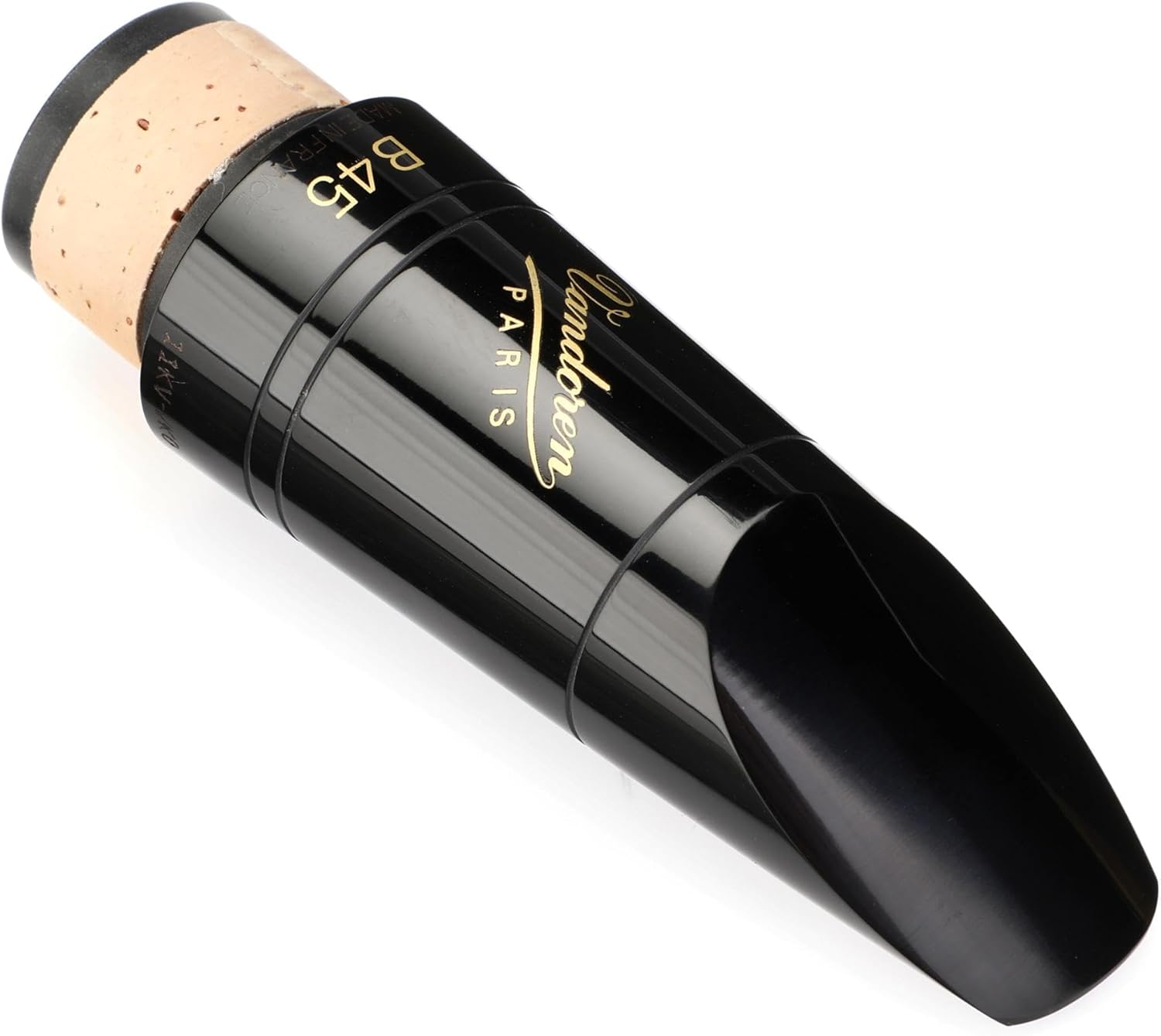
The B45 is the world’s best-selling clarinet mouthpiece and has been for a long time. That’s not marketing, go into any well-stocked music store and ask the clarinet teacher what they play. A large percentage will say B45.
The tip opening is 1.20mm, which is on the more open side. That gives you more flexibility and expressiveness than a closed mouthpiece. You can shape your tone more, respond more easily in all registers, and adapt to different playing situations. It takes a bit more air support than a closed mouthpiece, but most players find that a fair trade.
The ebonite material is denser and more resonant than regular hard rubber. The difference in warmth is real and noticeable. If you’ve been playing on a stock plastic mouthpiece and switch to a B45, you’ll hear it in the first few minutes.
- Open tip opening works for classical, jazz, and band
- Ebonite for warm, resonant tone
- Extremely consistent, every unit plays the same
- The mouthpiece most advanced players come back to
- More expensive than starter options, but a long-term investment
2. Yamaha 4C

The 4C is the mouthpiece Yamaha includes with their student clarinets, and it’s sold separately for good reason. It’s one of the most reliable beginner mouthpieces you can buy, significantly better than the generic plastic mouthpieces that come with budget-brand instruments.
The medium-closed tip opening makes it forgiving. When you’re still figuring out your embouchure, a forgiving mouthpiece is what you need. It produces a decent sound even when your technique isn’t perfect yet. Most players outgrow it within a year or two, but for the early stages it does everything right.
- Forgiving and easy to produce a sound on
- Good intonation in all registers
- Very affordable
- Limited tonal depth, you’ll want to upgrade eventually
3. Vandoren BD5 Black Diamond

The Black Diamond is Vandoren’s classical mouthpiece, narrower tip opening, longer facing, denser ebonite. The result is a focused, dark tone with a lot of projection. This is the mouthpiece you reach for when you want to sound like you belong in an orchestra.
It’s demanding. If your embouchure isn’t fully developed, the BD5 will feel stuffy and hard to control. But for the right player at the right stage, it’s a genuinely excellent mouthpiece that tends to stay in the rotation for years.
- Dark, focused tone with strong projection
- Premium ebonite construction
- Ideal for orchestral and classical playing
- Not suitable for beginners, needs a developed embouchure
- Less flexible for jazz or pop styles
4. Selmer Goldentone 3
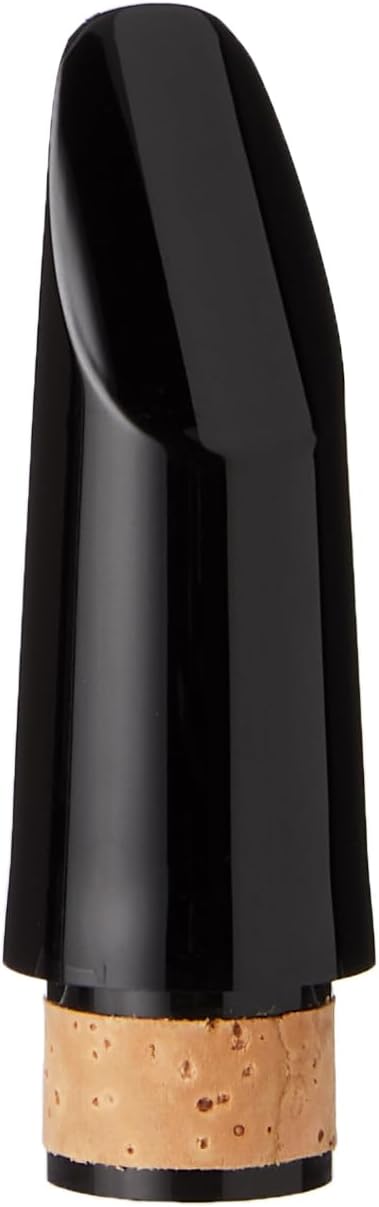
If you’re on a very tight budget and need something better than the plastic mouthpiece on your clarinet right now, the Goldentone 3 is a reasonable option. It’s hard rubber rather than ebonite, which means a brighter tone and less resonance, but it’s a real improvement over no-name stock mouthpieces.
It pairs well with Rico or D’Addario reeds at 2.5 or 3. Don’t expect it to transform your sound, but it will make things cleaner and easier than whatever came bundled with a $100 clarinet.
- Most affordable upgrade on the list
- Cleaner tone than generic stock mouthpieces
- Hard rubber, brighter than ebonite
- A temporary upgrade; most players want more within a year
5. Fobes Debut
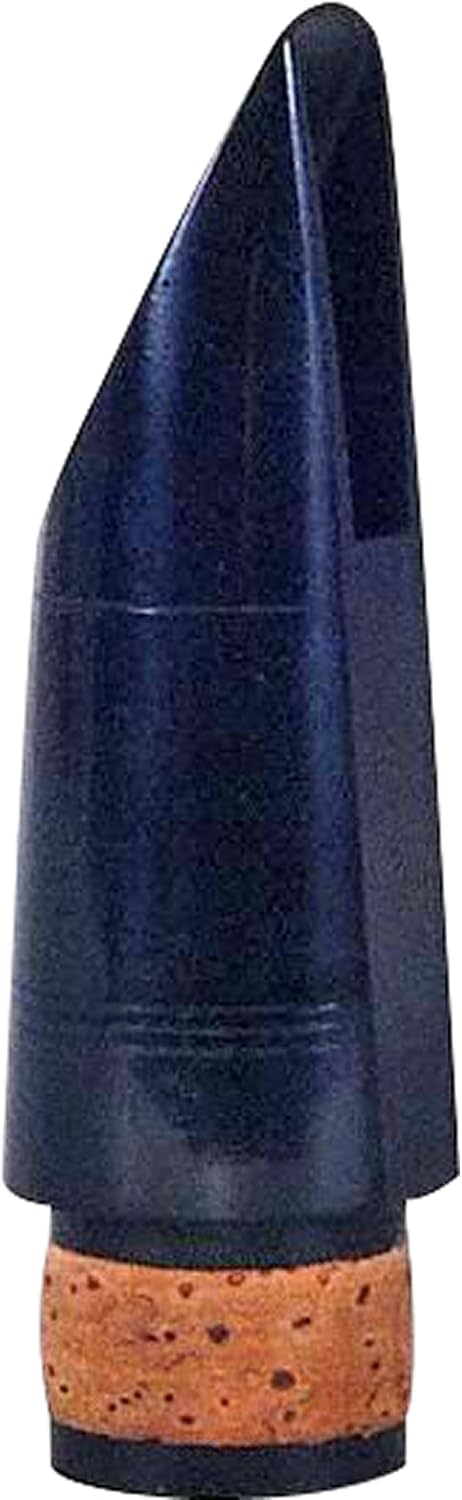
Clark Fobes is a San Francisco-based mouthpiece maker who designed the Debut specifically as a first real upgrade for students. It sits between the Yamaha 4C and the Vandoren B45 in both price and performance, more affordable than a Vandoren, but a genuine step up in tone and response.
Several clarinet teachers recommend this as the second mouthpiece: start on the 4C, move to the Fobes Debut, then reassess at the Vandoren level once you know what you’re looking for. It’s a sensible progression.
- Designed as a student step-up mouthpiece
- Warm, centered tone with responsive feel
- More affordable than the Vandoren B45
- Hard rubber, not ebonite, not the final destination for most players
What Actually Matters When Choosing a Mouthpiece
Tip opening: The wider the opening, the more flexibility and expression you get, but it requires more air support. Beginners usually do better with a medium or slightly closed opening. The Yamaha 4C and Fobes Debut are both in that range. The B45 is more open, which is why it’s better suited to players with some experience.
Ebonite vs. hard rubber: These terms get used interchangeably but they’re not the same thing. Ebonite is denser and produces a warmer, richer tone. Vandoren’s mouthpieces use their own ebonite formulation. Hard rubber mouthpieces like the Yamaha 4C and Selmer Goldentone are fine for beginners but don’t match the resonance of ebonite.
When to upgrade: If you’ve been playing for 6 months or more and feel like your tone isn’t developing, try a mouthpiece before buying a new clarinet. It’s a cheaper experiment and often a more effective one.
Short Answer
Buy the Vandoren B45 if you’re past the beginner stage and want one mouthpiece that will serve you for years. Start with the Yamaha 4C if you’re brand new and not ready to spend $100 on a mouthpiece yet.
As an Amazon Associate, I earn from qualifying purchases.
Charlotte Moore

Charlotte Moore is a Clarinetist by profession and has over time offered lessons on how to play the clarinet among other musical instruments. And while a majority of clarinet players are well versed with the process of settling with a good clarinet among other accompanying features. There is little information about clarinets. The reason why Charlotte prepared comprehensive experts touching on the various facets of the clarinet. The consolidated information will offer more insight on everything clarinets including the best stand to use, and the best plastic clarinet that you can invest in, among other information. Charlotte Moore is a devoted mother of two and a professional clarinet player.