
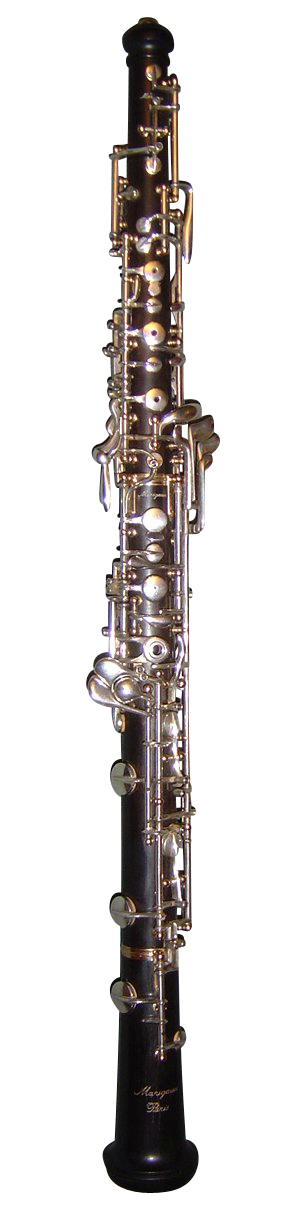
A proper oboe case matters more than it does for most instruments, because an oboe is a fragile wooden tube covered in delicate keywork and it usually costs several thousand dollars. Bent keys are expensive, cracked joints are worse, and the reeds travelling alongside are worth $20 each. Whether you need a replacement, a case cover or a better travel option, here is what to look for and which models are worth buying.
Oboe Case Options Compared
| Type | Protection | Reed Storage | Typical Price |
|---|---|---|---|
| Moulded ABS case | Highest | Small compartment | $80 to $160 |
| Wood shell case | High | Usually integrated | $150 to $400 |
| Case cover over original | Adds padding and pockets | External pockets | $50 to $120 |
| Combination oboe and English horn | High | Multiple reed slots | $200 to $450 |
Protec Micro ABS Oboe Case
A slim moulded shell with a foam injected interior lined in velvet. It is the most practical upgrade from the flimsy case many student instruments ship with, and it fits most makes and models.
- Rigid shell resists crushing in a crowded band room
- Velvet lined mould holds the joints without pressure on keys
- Light for a hard case
- Limited space for reeds and accessories
- No shoulder strap on the basic version
Protec Case Cover: Keep Your Original Case
If your instrument came in a decent fitted case, a padded cover is often the better buy. You get shoulder straps, external pockets for reeds and a swab, plus a layer of weather protection, without changing how the oboe sits inside.
- Adds padding, pockets and straps cheaply
- Keeps the manufacturer’s fitted interior
- Water resistant outer shell
- Bulkier than a single moulded case
- Sizing must match your case exactly
Wooden Shell Cases for Professionals
Wooden cases from specialist makers offer the best fit for a specific instrument and often include a proper reed compartment, humidity control space and room for a swab and cork grease. They cost more and weigh more, but for an oboe worth $6,000 or more the maths is straightforward.
- Snug fit designed around specific models
- Better reed and accessory storage
- Stable interior conditions for a wooden instrument
- Expensive and heavy
- Often needs ordering from a specialist dealer
What to Check Before Buying an Oboe Case
Fit comes first. Every joint should sit in its own recess with no pressure on the keys, and the lid should close without pushing anything down. A case that compresses the keywork will knock the instrument out of regulation within weeks.
Then look at reed storage. Reeds crushed loose in a pocket are wasted money, so a dedicated reed case or a slotted compartment pays for itself quickly. If you play a wooden oboe, leave room for a case humidifier and avoid leaving the case in a cold car, since sudden temperature changes are the most common cause of cracks. Our guides to the best oboe reeds and the best oboes for beginners cover the rest of the setup.
Frequently Asked Questions
Can I use a clarinet case for an oboe?
No. The joints are different lengths and the keywork sits differently, so the instrument will not be held securely and keys can bend.
Do I need a humidifier in my oboe case?
For a wooden instrument in a dry climate, yes. Stable humidity around 45 to 55 percent reduces the risk of cracking considerably.
Is a case cover enough protection on its own?
Only over an existing rigid case. A cover adds padding and convenience but is not a substitute for a proper fitted shell.
Charlotte Moore

Charlotte Moore is a Clarinetist by profession and has over time offered lessons on how to play the clarinet among other musical instruments. And while a majority of clarinet players are well versed with the process of settling with a good clarinet among other accompanying features. There is little information about clarinets. The reason why Charlotte prepared comprehensive experts touching on the various facets of the clarinet. The consolidated information will offer more insight on everything clarinets including the best stand to use, and the best plastic clarinet that you can invest in, among other information. Charlotte Moore is a devoted mother of two and a professional clarinet player.