
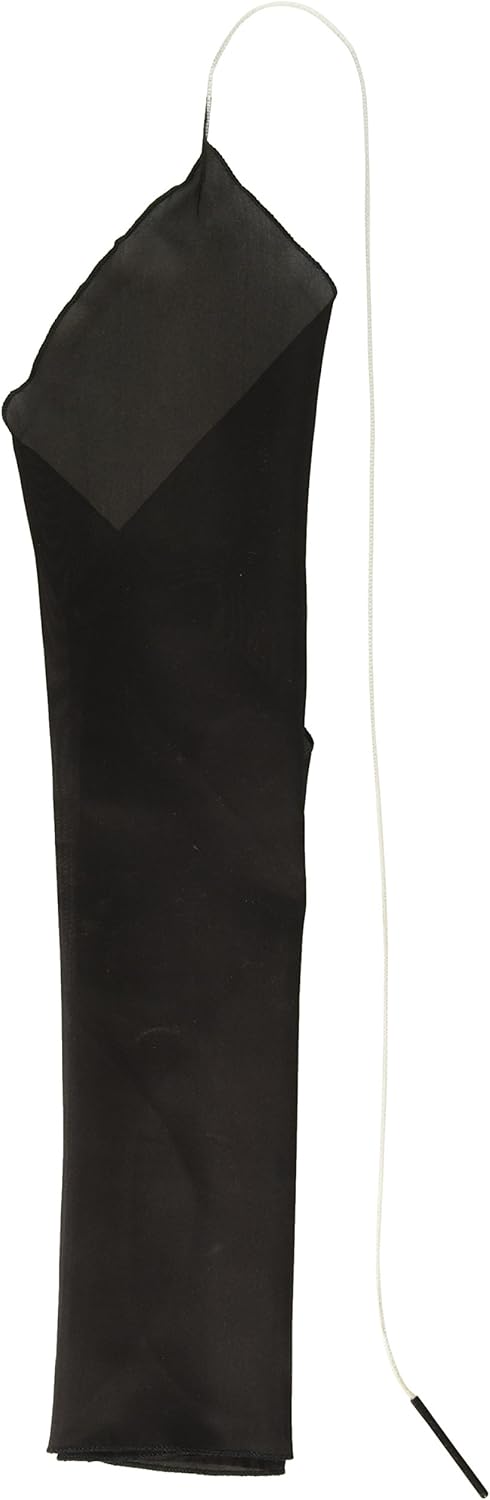
Learning how to clean a clarinet after practice takes three minutes and prevents most of the pad and crack problems that send instruments to the shop. Moisture left in the bore softens pads, loosens tenon corks and, on wooden clarinets, contributes to cracking. You do not need a full workshop routine every night, but you do need a consistent habit. Here is the after-practice sequence teachers actually teach.
What You Need for Daily Clarinet Cleaning
| Item | Job After Practice | Notes |
|---|---|---|
| Pull-through swab (silk or microfibre) | Dry the bore | Drop weight from bell end |
| Mouthpiece brush or small swab | Clean tip and bore | Do not use the main swab only |
| Soft cloth | Wipe keys and tenons | No household polish on pads |
| Reed case / guard | Store the reed flat | Never leave reed on mouthpiece |
| Cork grease (as needed) | Keep joints smooth | Not every day |
Step by Step: Clean a Clarinet After Practice
1. Remove the reed and ligature
Take the reed off first. Wipe it gently, then put it in a reed guard or case to dry flat. Leaving a wet reed on the mouthpiece warps the tip and grows bacteria. Loosen the ligature and set it aside so it does not scratch the mouthpiece.
2. Swab the mouthpiece separately
Use a small mouthpiece swab or brush with lukewarm water occasionally, and a dry pull after every session. Avoid hot water and dishwashers. A clean mouthpiece tip responds better than any reed upgrade on a dirty facing.
3. Disassemble and swab each joint
Take the clarinet apart over the open case. Drop the swab weight through the bell and pull through the lower joint, then the upper joint and barrel. Pull steadily so the cloth does not bunch. Two light passes beat one aggressive yank.
4. Wipe tenons and keys
Wipe moisture from tenon corks and the outside of the keys with a soft cloth. Do not scrub pads. If a pad is sticky, use pad paper later, not spit or powder.
5. Grease only when joints feel tight
A thin film of cork grease every week or two is enough for most players. Daily greasing builds grit. Vandoren and Yamaha tubes both work well for student clarinets.
Recommended Swab: Silk Pull-Through
A silk swab is the safest daily cleaner because it compresses and rarely jams in the upper joint. Microfibre absorbs more water but needs correct sizing. Either is better than the thin cotton scrap that ships with many kits.
- Clears bore moisture in one or two pulls
- Low risk of getting stuck when used correctly
- Washable and long lasting
- Must be washed weekly or it stops absorbing
- Wrong size microfibre can jam
Weekly and Monthly Extras
Once a week, wash the swab and check that tenon corks are not crumbling. Once a month, inspect pads for fraying and keys for bent rods. Wooden clarinets benefit from avoiding extreme temperature swings more than from fancy oils. Plastic student clarinets such as the Jean Paul CL-300 or Yamaha YCL-255 still need the same daily swabbing even though they will not crack like grenadilla.
If you need a whole-instrument refresh, see our related guides on the best clarinet swab and best cork grease. Reliable student clarinets that reward good care:
Frequently Asked Questions
Can I leave the swab inside the clarinet in the case?
No. A damp swab trapped in the bore holds moisture against the pads. Swab, then remove the cloth before closing the case.
How often should I wash the mouthpiece?
Rinse with lukewarm water weekly and dry thoroughly. A soft brush helps with residue under the table.
Is alcohol safe on a clarinet mouthpiece?
A lightly dampened cloth is occasionally used on hard rubber, but avoid soaking and never soak wooden joints. When in doubt, water and a brush are enough.