
A clarinet ligature holds the reed on the mouthpiece, and a bad one is one of the quiet reasons student clarinets squeak. Stock metal ligatures that come with beginner kits often crush the reed unevenly or rust shut. Upgrading the ligature is a ten to thirty dollar fix that improves response without changing the mouthpiece. Here is what students should actually buy.
Clarinet Ligature Types Compared
| Type | Feel | Best For | Typical Price |
|---|---|---|---|
| Nickel or silver plated metal | Bright, focused | Budget upgrade | $10 to $25 |
| Fabric / string style | Warm, flexible | Comfort and even pressure | $20 to $40 |
| Leather | Dark, cushioned | Students wanting less squeak | $25 to $45 |
| Inverted screw metal | Precise | Intermediate players | $30 to $60 |
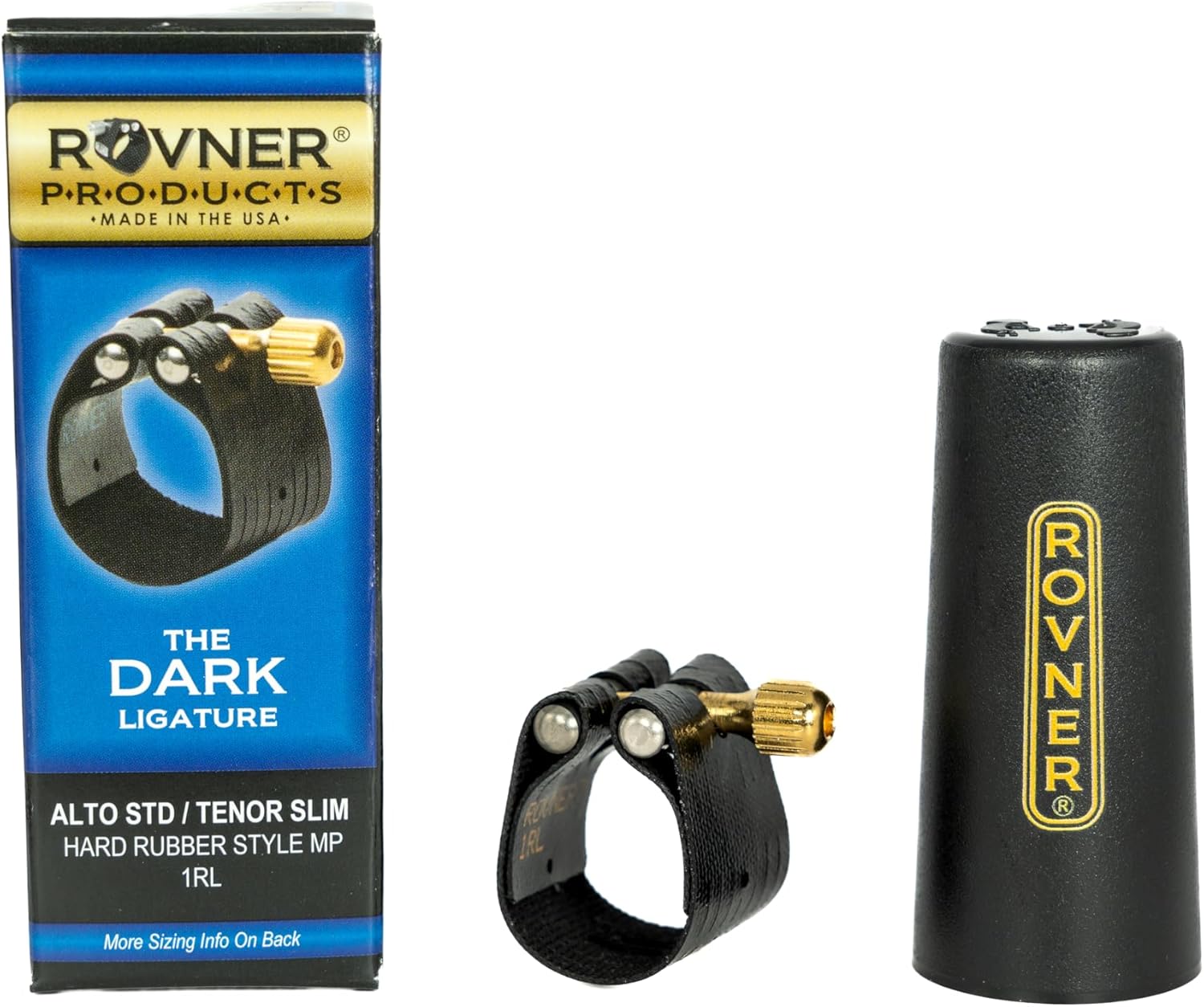
Rovner Dark / Fabric Style: Student Favourite
Fabric ligatures like the Rovner Dark wrap the reed evenly without metal edges digging into the cane. They forgive slightly off-centre reeds and reduce the tip-chipping that happens when metal screws overtighten.
- Even pressure across the reed
- Quiet if you bump the mouthpiece
- Does not rust or corrode
- Easy for small hands to tighten
- Looks less pro than metal
- Can stretch slightly over years of use
Bonade Inverted: Classic Metal Upgrade
The Bonade inverted ligature puts the screws on the reed side of the mouthpiece, which many teachers prefer for a freer tip vibration. It is a clear step up from kit metal ligatures without jumping to professional prices.
- Clear, projecting tone
- Reliable screw mechanism
- Standard recommendation in many studios
- Can crush a reed if overtightened
- Screws can loosen during long rehearsals
BG Standard Ligature: Balanced All Rounder
BG fabric and metal options sit in the middle: better build than generic ligatures, less expensive than Vandoren Optimum. For a student who already has a decent mouthpiece, this is a sensible mid-range pick.
- Consistent manufacturing
- Several finishes and tensions available
- Works across most Bb mouthpieces
- More expensive than Rovner entry models
- Wide range can confuse first-time buyers
How to Fit a Clarinet Ligature Correctly
Slide the ligature onto the mouthpiece first, then insert the reed under it. Line the tip of the reed with the tip of the mouthpiece so a hairline of black shows, then tighten just enough that the reed does not shift when you tap it. Overtightening is the most common student mistake and it kills response.
Replace a ligature that has stripped screws, deep rust or a warped band. Pair a new ligature with a fresh box of reeds rather than trying to revive a dead reed on better hardware. Our guides to the best clarinet swab and best cork grease cover the rest of the daily kit. A student mouthpiece such as the JUNO J5 can make ligature choice less critical:
Frequently Asked Questions
Do I need a different ligature for German and French mouthpieces?
Yes. Buy a Bb French (Boehm) ligature unless you specifically play a German system clarinet. They are not interchangeable.
Metal or fabric for a beginner?
Fabric is more forgiving. Metal can sound brighter once the embouchure is stable. Either beats a corroded kit ligature.
How tight should the screws be?
Finger tight until the reed no longer slides. If you need tools, you have gone too far.