
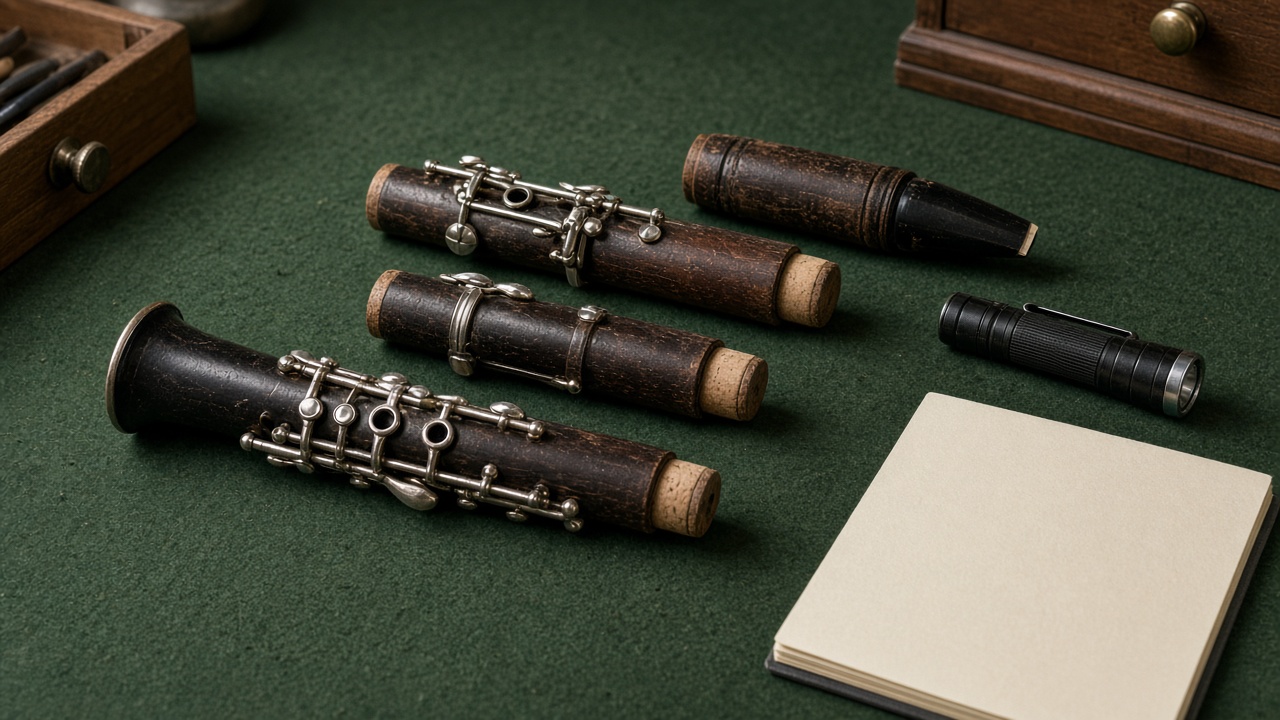
A used clarinet can be the only realistic way to get grenadilla under a tight budget, or to get a better horn than a new student resin instrument for the same money. It can also be an expensive mistake. This page is a buying checklist: which models are worth hunting, what to inspect, and when to walk away. It is not a dealer directory and it is not a price guide. For those jobs, use Where to Buy Used Clarinets in the US and How Much Is a Used Clarinet Worth.
Models Worth Hunting
| Model | Why it is worth hunting | What to watch |
|---|---|---|
| Yamaha YCL-450, 450N, or 450IIN | Proven intermediate grenadilla; the current official model is the YCL-450IIN, but earlier 450s are common used | Cracks, pads, and whether it is really a 450 and not a worn student horn with a similar case |
| Buffet E11 | Official wooden student clarinet and a very common step-up on the used market | Previous cracks, worn bladder pads, and neglected tenons |
| Yamaha YCL-255 or similar resin school horns | Lower crack risk, often cheaper, still a current official student design | Worn keys and a tired mouthpiece; do not overpay as if it were wood |
| Buffet R13, bought only after a shop inspection | The professional horn many serious players still want, if the example is sound | Repair history, cracks, and a price that may exceed a careful new intermediate |
New YCL-450IIN and E11 instruments typically sell well above $1,000 at US dealers. That is why a serviced used example of either line is often the smarter spend. A no-name wooden clarinet with a fresh polish and a low asking price is usually not a shortcut. Budget for a technician’s inspection even when the photos look clean.
The Inspection Checklist
1. Body and cracks
Look along the upper joint, lower joint, barrel, and bell, especially around tone holes, tenon sockets, and the register tube. Hairline cracks can be hard to see in warm indoor light. A documented, well repaired old crack is different from an open crack that still moves. If you can see daylight through a crack, or the wood feels raised, stop and take it to a shop, or walk away.
2. Tenons and corks
Joints should go together firmly without a wrestling match and without wobbling. Torn, compressed, or missing corks are a cheap fix. A tenon that is worn oval, chipped, or visibly cracked is not. Check that the barrel actually belongs to the instrument, or at least fits and plays in tune at a concert pitch the player can live with.
3. Pads and leaks
Pads should be seated, not glazed into a hard, leaking surface, and not hanging off the cup. A shop can do a proper leak test. At a quick look, sticky pads, missing pad skin, and keys that do not close evenly are warning signs. A full repad can erase the money you thought you were saving.
4. Keywork
Press each key and look for side-to-side wobble, missing pearls, bent rods, and loose posts. A little lost motion is common on a used school horn. Keys that rock, bind, or sit visibly crooked are a bigger job. On wood, also look for posts that have been pulled or reset after a crack.
5. Play test, or a shop play test
If you play, try a slow scale across the break, soft low notes, and a clean throat-tone A to B. Gurgles, notes that will not speak, and wild intonation can be setup, or they can be a bad bore or a leaking instrument. If you do not play, do not skip this step. Pay a clarinet technician to inspect and, if possible, play it before you buy, or make the sale conditional on that check.
6. Case, mouthpiece, and story
A smashed case often means a smashed instrument, even if the horn has been wiped down. The included mouthpiece is usually not the reason to buy, but a cracked or unusable one should be priced in. Ask why it is for sale, whether it has had crack repairs, and whether a shop has recent work records. “Sold as is, no returns” on a wooden clarinet is a reason to be more careful, not less.
When to Walk Away
Walk away from open cracks, a horn that smells of mold or heavy smoke, missing joints, keys that do not close, and any wooden instrument priced like a miracle with no inspection allowed. Walk away from listings that hide the serial number, the upper-joint tenon, or the tone holes. A fair used clarinet can stand a calm, well lit inspection and a technician’s opinion.
If you decide a used wooden horn is not worth the risk, a new resin instrument such as the Jean Paul CL-400 or, at typical dealer prices, a school Yamaha or Buffet student model may be the cleaner buy. See Best Clarinet Under 1000, Best Clarinet Under $500, and the intermediate clarinet guide for the new-instrument side of the same decision.
Frequently Asked Questions
Is a used Buffet or Yamaha better than a new no-name wooden clarinet?
Usually, yes, if the used example passes a shop inspection. A known model with parts and pad sizes a technician already stocks is easier to keep in play than a mystery horn with a pretty finish.
Should I buy used from a private seller or a shop?
A shop that will inspect, service, and stand behind the instrument is the safer path. A private sale can be fine if you can still get that inspection before the sale is final. Where to shop is covered in the used-buying guide linked above.
Can I skip the technician if the clarinet looks new?
No. Cracks, leaks, and worn tenons hide in listings with attractive photos. The inspection is part of the purchase price, not an optional extra.
Charlotte Moore

Charlotte Moore is a Clarinetist by profession and has over time offered lessons on how to play the clarinet among other musical instruments. And while a majority of clarinet players are well versed with the process of settling with a good clarinet among other accompanying features. There is little information about clarinets. The reason why Charlotte prepared comprehensive experts touching on the various facets of the clarinet. The consolidated information will offer more insight on everything clarinets including the best stand to use, and the best plastic clarinet that you can invest in, among other information. Charlotte Moore is a devoted mother of two and a professional clarinet player.