
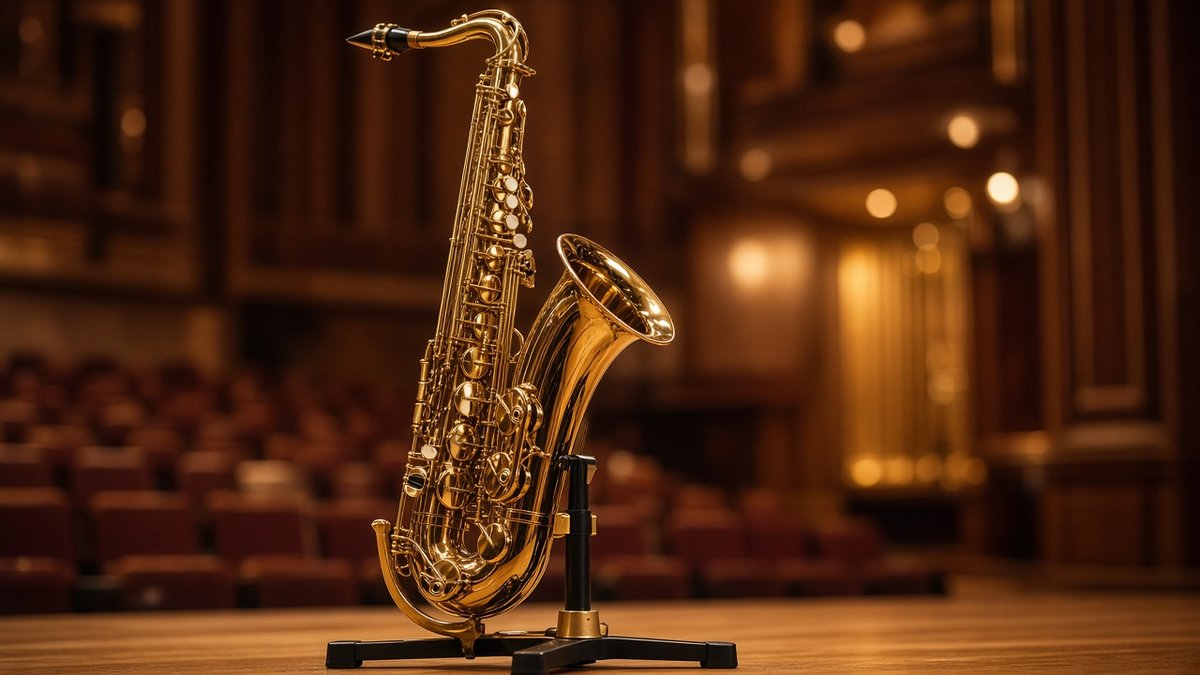
A professional tenor saxophone is a bigger commitment than the equivalent alto, both in price and in how personal the choice becomes. Tenor is the horn most associated with jazz, and players tend to have strong opinions about what a tenor should sound like. Prices run from roughly $4,000 to $9,000. Every instrument below is capable of professional work, so the question is which sound and which blow suit you. Here is how they compare.
Professional Tenor Saxophone Comparison
| Model | Character | Best For | Approx Price |
|---|---|---|---|
| Yamaha YTS-62III | Even, centred | All-round professional work | $4,500 |
| Yamaha YTS-82Z Custom Z | Free blowing, vocal | Jazz and small group work | $6,500 |
| Selmer Paris Supreme | Rich, complex | Classical and solo repertoire | $9,000 |
| Yanagisawa T-WO1 | Precise, refined | Consistency and build quality | $6,800 |
| P. Mauriat PMXT-66R | Dark, vintage flavoured | Jazz on a smaller budget | $4,000 |
Yamaha YTS-62III: The Reliable Standard
The 62 series is the professional tenor saxophone you will find in pit bands, recording sessions and university studios everywhere. It does everything competently and nothing badly, and the third generation refined the neck and keywork without losing what made it popular.
- Excellent intonation across the full range
- Comfortable, fast keywork
- Versatile across classical, jazz and commercial work
- Holds resale value strongly
- Neutral tone rather than a distinctive voice
- Jazz players usually change the mouthpiece immediately
Yamaha YTS-82Z Custom Z: The Jazz Choice
The Custom Z has a one-piece bell and the V1 neck, which together give a freer blow and a more vocal quality. It responds instantly at low volume and opens up rather than thinning when pushed, which is exactly what a tenor soloist needs.
- Free blowing with immediate response
- Expressive at high volume without going harsh
- Several finishes with genuinely different characters
- Around $2,000 more than the 62
- Less suited to blended classical playing
Selmer Paris Supreme: The Premium Option
Selmer remains the reference in conservatoires, and the Supreme is its current flagship. The tone has a depth and complexity that recording engineers notice, and the ergonomics are the most refined the company has produced.
- Layered, complex tone with wide dynamic control
- Redesigned keywork that fits the hand naturally
- Exceptional resale value
- The most expensive option here by some distance
- Demands strong air support to sound its best
Yanagisawa T-WO1: Engineering Precision
Yanagisawa builds to unusually tight tolerances, so one instrument plays like the next and the intonation is close to flawless. Bronze and silver body options change the character noticeably if you want something other than brass.
- Outstanding consistency between individual horns
- Very even response across registers
- Bronze and silver versions for different tonal colours
- Some players find the sound too clean
- Fewer dealers for trials outside major cities
How to Choose
Buying a professional tenor saxophone deserves a proper trial. Bring your own mouthpiece and reeds, in a large room rather than a shop booth. Check the low B flat and the palm keys for intonation, listen for evenness rather than volume, and pay attention to how the horn feels after twenty minutes rather than two. A mouthpiece change often does more for your tenor sound than a $2,000 instrument upgrade, so read our guide to the best saxophone mouthpieces first. For the alto equivalent, see the best professional saxophones.
Frequently Asked Questions
Why do tenors cost more than altos?
More brass, larger pads, bigger cases and lower production volumes. Expect to pay roughly 20 to 40 percent more for the equivalent model.
Is a vintage Selmer Mark VI worth it?
They are wonderful instruments, but condition varies enormously and prices are collector driven. A modern horn gives better intonation and reliability for the money.
Should I buy used at this level?
Yes, with a technician inspection. Professional horns are built to be repadded repeatedly, so a well kept twenty year old tenor can be excellent value.
Charlotte Moore

Charlotte Moore is a Clarinetist by profession and has over time offered lessons on how to play the clarinet among other musical instruments. And while a majority of clarinet players are well versed with the process of settling with a good clarinet among other accompanying features. There is little information about clarinets. The reason why Charlotte prepared comprehensive experts touching on the various facets of the clarinet. The consolidated information will offer more insight on everything clarinets including the best stand to use, and the best plastic clarinet that you can invest in, among other information. Charlotte Moore is a devoted mother of two and a professional clarinet player.