
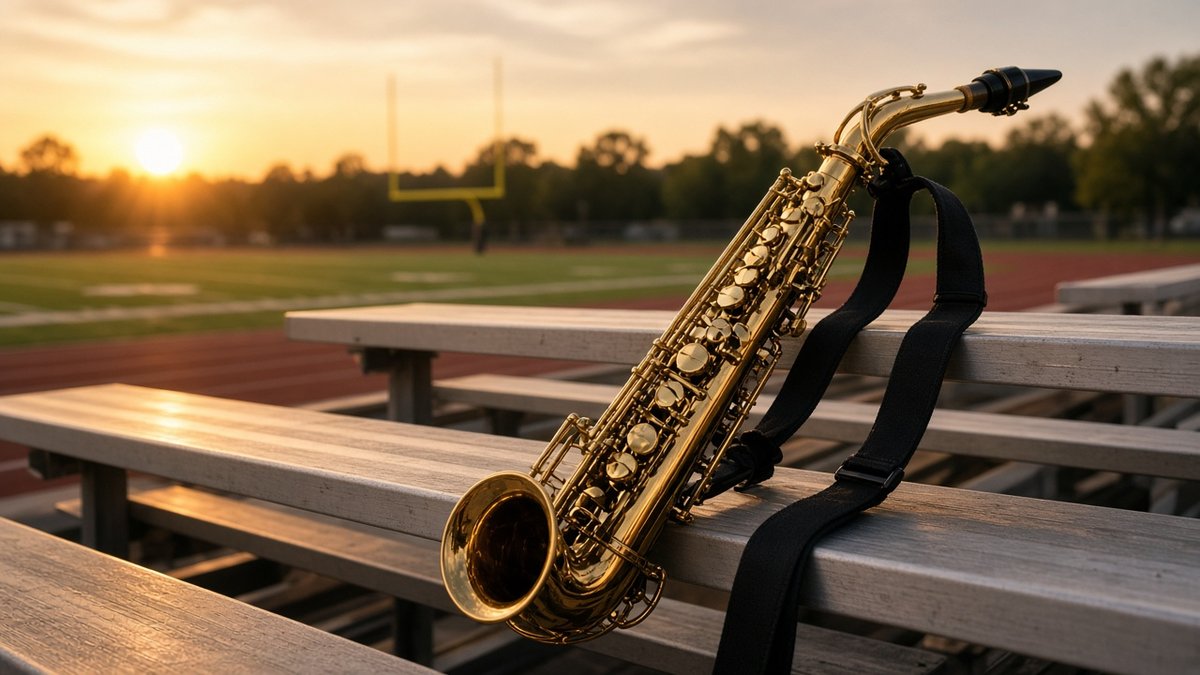
Choosing a saxophone for marching band is a different exercise from choosing a concert horn. The instrument will be rained on, marched with, knocked by neighbouring players and stored in a hot equipment truck. Durability, weight and how the horn is carried matter more than tonal subtlety, because nobody in the stands hears nuance anyway. Here is what works on the field and what to leave at home.
Marching Saxophone Options Compared
| Option | Durability | Best For | Approx Price |
|---|---|---|---|
| Yamaha YAS-280 | High | Best overall marching alto | $1,100 |
| Jean Paul AS-400 | Moderate | Budget field horn | $700 |
| Used student alto | Varies | Keeping a good horn indoors | $400 to $700 |
| Shoulder harness | Essential | Carrying weight while moving | $50 to $90 |
Yamaha YAS-280: The Field Standard
The most common saxophone for marching band is the YAS-280, because the horn takes abuse without losing its adjustment and because a leaking pad in week three of the season is a real problem. Intonation stays reliable outdoors in cold weather, which is where cheap instruments fall apart.
- Holds adjustment through a full marching season
- Reliable intonation in cold outdoor conditions
- Light key action helps during movement
- Strong resale value
- Expensive to risk on the field
- Lacquer scratches with regular marching contact
Jean Paul AS-400: The Sacrificial Horn
Many players keep their good instrument for concert season and march with something cheaper. The AS-400 fills that role well: it plays in tune, it costs half as much, and a dent picked up on the field is not a disaster.
- Affordable enough to risk outdoors
- Play tested before shipping
- Keeps your concert horn safe indoors
- Pads and springs wear faster under heavy use
- Needs servicing more often after a season
The Harness Is Not Optional
Every saxophone for marching band needs a proper harness. An alto weighs around 2.5 kg and a neck strap puts all of it on the cervical spine while the player walks in formation. A shoulder harness moves the load onto the shoulders and torso, which prevents the neck pain that ends marching seasons early and keeps posture upright while moving.
- Removes almost all weight from the neck
- Keeps the horn stable during movement
- Essential for tenor and baritone players
- Slower to put on and take off
- Slightly restricts upper body movement
Surviving the Season
Set up your saxophone for marching band with synthetic reeds. Cane reeds react badly to temperature and humidity swings and a wet reed in cold air is unpredictable, while synthetics play the same in any weather and last far longer. Keep a spare mouthpiece in the case, since dropped mouthpieces are the most common field casualty.
Swab the horn after every rehearsal, even the outdoor ones, and have it serviced at the end of the season rather than the start of the next one. A saxophone for marching band takes a year of concert wear in three months, so the annual check matters more than usual. See our guides to the best saxophone reeds, the best saxophone neck straps and the best alto saxophones for beginners.
Frequently Asked Questions
Should I march with my good saxophone?
If it is a student horn, yes. If it is a professional instrument, keep it indoors and march with something cheaper.
Do saxophones get damaged by rain?
Brass handles water, but pads do not. Dry the horn thoroughly afterwards and expect more frequent pad work if you march in wet conditions.
Alto or tenor for marching?
Alto is lighter and easier to carry. Tenor projects more but needs a harness and is noticeably harder work over a long show.
Charlotte Moore

Charlotte Moore is a Clarinetist by profession and has over time offered lessons on how to play the clarinet among other musical instruments. And while a majority of clarinet players are well versed with the process of settling with a good clarinet among other accompanying features. There is little information about clarinets. The reason why Charlotte prepared comprehensive experts touching on the various facets of the clarinet. The consolidated information will offer more insight on everything clarinets including the best stand to use, and the best plastic clarinet that you can invest in, among other information. Charlotte Moore is a devoted mother of two and a professional clarinet player.