
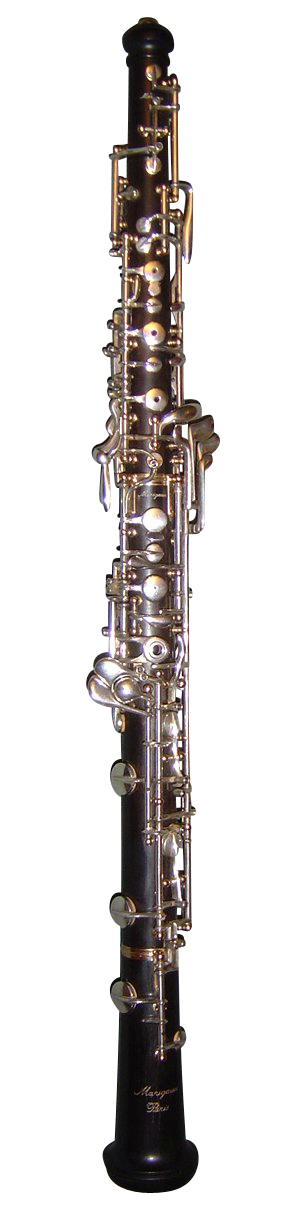
Buying a professional oboe means committing between $6,000 and $12,000 to an instrument you will likely keep for your entire career, which is why oboists tend to research this purchase harder than any other woodwind player. At this level every model has a full conservatory key system and a seasoned grenadilla body, so the differences come down to bore design, tonal character and how the mechanism sits under your fingers. Here are the instruments that dominate professional sections, and how to work out which one belongs in your case.
Professional Oboe Comparison
| Model | Tonal Character | Best For | Approx Price |
|---|---|---|---|
| Loree Royal | Dark, complex | Orchestral principal work | $11,000 |
| Yamaha YOB-831 | Clear, focused | Reliability and even scale | $7,300 |
| Fox 800 | Warm, forgiving | American orchestral style | $7,000 |
| Marigaux 901 | Bright, projecting | Soloists and chamber players | $10,500 |
| Howarth S40C | Flexible, singing | British and European section work | $9,500 |
Loree Royal: The Orchestral Standard
Walk into most major orchestras and you will find a Loree in the oboe chair. The Royal bore produces the dark, reedy core that defines the sound many audiences think of as the oboe, and it carries over an orchestra without forcing.
- Rich, complex tone with outstanding projection
- The reference instrument for orchestral auditions
- Excellent long term resale value
- Demanding on reeds and air support
- Variation between individual instruments is well documented
Yamaha YOB-831: Consistency Above All
Yamaha applies the same manufacturing discipline here that it applies to everything else, and the result is a professional oboe with an unusually even scale and predictable intonation. Players who dislike wrestling with an instrument to make it behave often find this a relief.
- Very even response through all registers
- Precise, reliable keywork
- More affordable than most professional rivals
- Tone is clean but less distinctive
- Less common in audition settings than Loree
Fox 800: American Warmth
Fox instruments are made in Indiana and have a following among players who want warmth without the reed sensitivity of a French bore. The 800 is forgiving in the low register and stable in the third octave, which makes long rehearsals less tiring.
- Warm, stable tone that blends easily
- Less demanding on reed quality
- Strong service support in North America
- Less edge for solo projection
- Fewer dealers in Europe
Marigaux 901: Projection for Soloists
Marigaux built the 901 around a bore that speaks quickly and carries, which suits concerto work and chamber music where the oboe needs to lead rather than blend.
- Immediate response and clear projection
- Comfortable modern key layout
- Excellent for solo and chamber repertoire
- Brightness can stand out in a blended section
- Premium price
What to Check Before You Buy
Trial several examples of the same model if you can, because grenadilla is a natural material and no two instruments are identical. Bring your own reeds and at least three of them, since a single reed will tell you more about the reed than the oboe. Test the low B flat and the third octave, listen for stuffiness at the octave breaks, and check that the left hand F and fork F resonance keys work cleanly. Ask about the break-in schedule for a new wooden professional oboe, and factor in a case humidifier from day one. Our guide to the best oboe reeds covers the other half of this equation, since no instrument at any price outperforms a bad reed.
If you are still building toward this level, see the best oboes for beginners for the entry tier.
Frequently Asked Questions
How long does a professional oboe last?
The keywork lasts a lifetime with servicing, but the bore of a wooden oboe gradually changes. Many professionals replace or rebore their instrument after fifteen to twenty years of heavy playing.
Should I buy a used professional oboe?
Only after a specialist inspection. Cracks, worn tone holes and a blown out bore are expensive to fix and hard to see, so pay a technician before you pay the seller.
Do I need a full conservatory system?
For professional orchestral work, yes. The extra keys give you trills and alternate fingerings that standard repertoire assumes you have available.
Charlotte Moore

Charlotte Moore is a Clarinetist by profession and has over time offered lessons on how to play the clarinet among other musical instruments. And while a majority of clarinet players are well versed with the process of settling with a good clarinet among other accompanying features. There is little information about clarinets. The reason why Charlotte prepared comprehensive experts touching on the various facets of the clarinet. The consolidated information will offer more insight on everything clarinets including the best stand to use, and the best plastic clarinet that you can invest in, among other information. Charlotte Moore is a devoted mother of two and a professional clarinet player.