
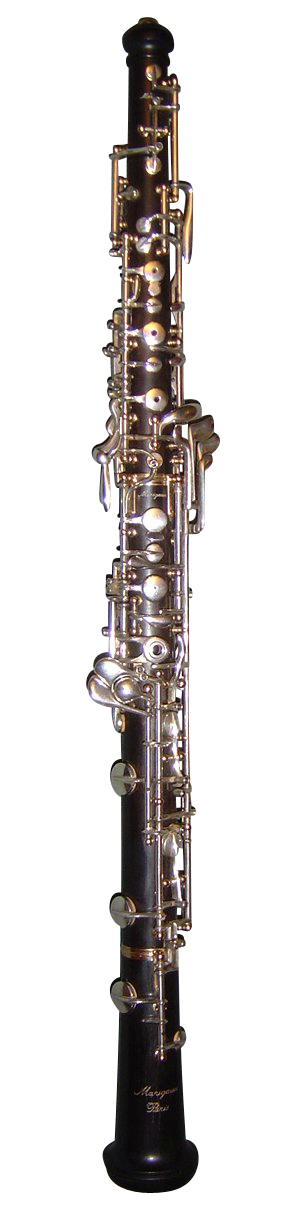
The bassoon vs oboe choice faces every student who is drawn to double reeds, and it is a bigger commitment than most instrument decisions. Both instruments are expensive, both depend on reeds that are difficult to buy and harder to make, and both offer opportunities that flute and clarinet players can only envy. They differ in size, range, physical demands and the kind of orchestral role they play. Here is how to decide between them.
Bassoon vs Oboe: Quick Comparison
| Factor | Bassoon | Oboe |
|---|---|---|
| Beginner price | $4,000 to $8,000 | $1,500 to $3,000 |
| Range | Bass and tenor | Soprano |
| Size and weight | Around 1.3 m, 3 kg, needs a seat strap | Around 65 cm, light |
| Reed cost each | $20 to $35 | $15 to $30 |
| Air demand | High volume of air | Low volume, high pressure |
| Starting age | 12 and up, hand size matters | 11 and up |
Physical Demands and Ergonomics
The bassoon is the larger obstacle. It is long, heavy and supported by a seat strap or harness, and the left thumb operates up to nine keys while the right thumb handles four more. Small hands struggle, which is why most programmes start bassoonists at twelve or later. Short reach models exist and solve part of the problem.
The oboe is physically undemanding but mentally exacting. It sits comfortably in the hands, yet the narrow reed creates back pressure that takes getting used to, and intonation depends on constant embouchure control. In the bassoon vs oboe comparison, the bassoon challenges the body and the oboe challenges the ear.
Reeds: The Shared Burden
In the bassoon vs oboe comparison, reeds are the shared burden. Both instruments run on double reeds and both drain a budget. Oboe reeds are smaller, more delicate and more sensitive to weather. Bassoon reeds are larger, last a little longer and are marginally more forgiving. Serious players on both instruments end up making their own, which means a knife, a mandrel, a shaper and plenty of patience.
Reed quality determines how the instrument sounds far more than the make of the instrument does, which surprises students moving over from flute or clarinet. Our guide to the best oboe reeds explains what to look for while you are still buying rather than making.
Starter Oboe: Yamaha YOB-241
The standard first oboe, with a resin body that copes with school conditions and intonation that is unusually forgiving for a double reed instrument.
- Stable tuning and even response
- Resin body will not crack
- Much cheaper than any bassoon
- Still a serious purchase for a beginner
- Simplified keywork limits advanced parts
Starter Bassoon: Fox Renard 222
The most common student bassoon in schools. Maple bodied, robust and available with a short reach option for younger players. Renting is common because of the price.
- Reliable intonation for a student bassoon
- Short reach versions for smaller hands
- Holds value and rents easily
- Costs several times a beginner oboe
- Heavy to carry and awkward to store
Musical Roles and Opportunity
The oboe carries melodies. It tunes the orchestra, takes prominent solos and sits in the spotlight regularly, which suits players who enjoy exposure. The bassoon works lower in the texture, providing bass lines and colour, with fewer but very memorable solos. Both are scarce enough that a competent player is always wanted, and bassoonists in particular find that scholarships and ensemble seats come looking for them.
If cost is the deciding factor, note that many schools own bassoons and lend them, which changes the calculation entirely. Ask before ruling it out. For broader context on double reed budgets, see how much an oboe costs.
Which Should You Choose?
The bassoon vs oboe decision usually comes down to logistics. Choose the oboe if the player is younger or smaller, wants melodic lines, and can absorb the reed costs. Choose the bassoon if the school can lend an instrument, if the player has the hand size and frame for it, or if the appeal of a rare instrument with almost no competition outweighs the practical hassle.
Frequently Asked Questions
Which is harder to learn?
The bassoon is harder physically because of size, thumb keys and the number of fingerings. The oboe is harder tonally because intonation and reed control never stop demanding attention.
Can I start on bassoon with no prior instrument?
Yes, though many students come from clarinet or piano. Prior reading skill helps a great deal because bassoon uses bass clef and tenor clef.
Are double reed players really in demand?
Yes. School and community ensembles regularly struggle to fill oboe and bassoon chairs, so a decent player rarely lacks opportunities.
Charlotte Moore

Charlotte Moore is a Clarinetist by profession and has over time offered lessons on how to play the clarinet among other musical instruments. And while a majority of clarinet players are well versed with the process of settling with a good clarinet among other accompanying features. There is little information about clarinets. The reason why Charlotte prepared comprehensive experts touching on the various facets of the clarinet. The consolidated information will offer more insight on everything clarinets including the best stand to use, and the best plastic clarinet that you can invest in, among other information. Charlotte Moore is a devoted mother of two and a professional clarinet player.