
Best Clarinet Reeds: What Works and Why
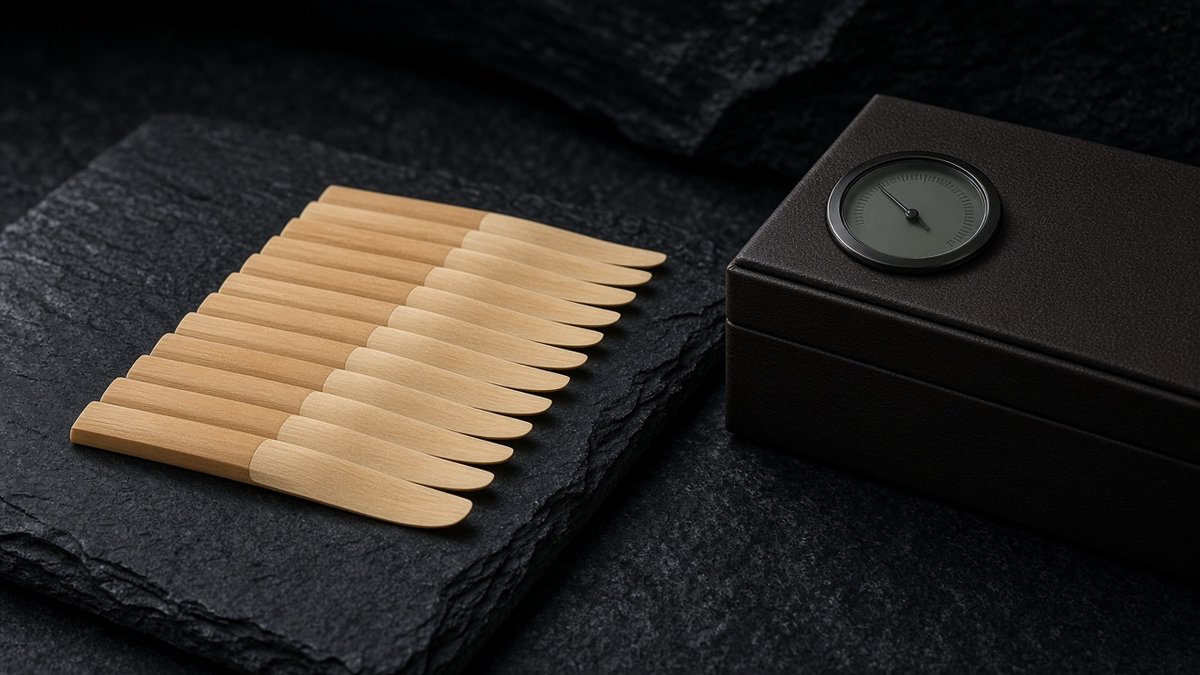
Reeds are the part of the clarinet that players spend the most time thinking about and the least time understanding. Every clarinetist has a box graveyard somewhere: reeds that worked once, reeds that never worked, reeds being saved for reasons that no longer make sense. Getting a handle on what makes a good reed and which brands deliver consistently will save you a lot of frustration.
How to Think About Reed Strength
Reed strength is rated by number, typically from 1.5 to 5. Softer reeds (lower numbers) require less air pressure to vibrate and are easier to control, but they can sound thin and tend to squeak more at higher dynamics. Stiffer reeds (higher numbers) produce a fuller, richer tone but require more developed breath support and embouchure control.
Most beginners start on a 2 or 2.5. As your technique develops, you’ll likely move toward 3 or 3.5. Most professional players use somewhere between 3 and 4 depending on their mouthpiece and the music they’re playing.
A common mistake is using too soft a reed for too long. If your sound feels easy but thin, and you’re finding it hard to control pitch in the upper register, moving up half a strength is often the fix.
The Best Clarinet Reeds
Vandoren Traditional (Blue Box) – Best Overall
The Vandoren Traditional is the most widely used clarinet reed in the world, and the reputation is earned. They produce a balanced tone across all registers, respond well from soft to loud, and last longer than most comparable reeds when properly cared for.
The consistency between reeds in the same box is better than most brands. You’ll still find some variation, which is normal with cane reeds, but a box of Vandoren Traditionals will reliably have eight or nine good reeds in it.
Best for beginners through professionals. Available in strengths 1.5 through 5.
Vandoren V12 – Best for Warmer Tone
The V12 has a thicker heart and heel than the Traditional, which produces a warmer, darker sound with more depth in the low register. Players who want a more classical or orchestral sound often prefer V12s once they have the embouchure strength to get the best out of them.
They’re slightly less forgiving than Traditionals, meaning they reward players who have solid fundamentals. If you’ve been playing for a few years and want more color in your tone, V12s are worth trying.
Best for intermediate to advanced players, particularly those focused on classical music.
D’Addario Reserve – Most Consistent
D’Addario puts a lot of work into reed consistency, and it shows. The Reserve line has a very high percentage of playable reeds per box, more so than most cane alternatives. The tone is clean and clear rather than dark or lush, which suits players who prioritize intonation and projection.
They’re a particularly good choice for students in group settings where being in tune matters as much as tone color.
Best for intermediate players and students who go through a lot of reeds and need reliable quality.
Légère European Cut – Best Synthetic Reed
Légère makes the best synthetic reed on the market. Unlike cane reeds, they don’t need to be broken in, don’t crack or warp in humidity changes, and play consistently every single time you pick them up. The trade-off is that the tone is slightly brighter and less complex than a good cane reed.
For players who travel a lot, perform outdoors, or live in climates with extreme humidity swings, the consistency of a synthetic reed can be worth more than the tonal difference.
Best for players who want reliability above all else, and as a solid backup option.
Rico Royal – Best Budget Reed
Rico Royal reeds are inexpensive, widely available, and better than their price suggests. They’re brighter than Vandoren and tend to have more variation between reeds in the box, but for a beginner learning to produce a consistent sound, they’re a perfectly reasonable starting point.
Best for beginners on a budget.
Quick Comparison
| Reed | Price per Box | Tone | Best For |
|---|---|---|---|
| Vandoren Traditional | ~$30–36 | Balanced | All levels |
| Vandoren V12 | ~$33–42 | Warm, dark | Intermediate/Advanced |
| D’Addario Reserve | ~$28–35 | Clear, consistent | Students, intermediate |
| Légère European Cut | ~$35–40 | Bright, reliable | Travel, humidity issues |
| Rico Royal | ~$12–18 | Bright | Beginners on a budget |
Making Reeds Last Longer
A reed that dries out too quickly or unevenly is more likely to warp and stop playing well. Wet the reed thoroughly before playing and let it sit on the mouthpiece for a minute before you start. After playing, remove the reed and store it in a reed case, not back in the plastic sleeve. A flat reed case that holds four to six reeds and lets them dry evenly is worth the $10 to $15 it costs.
Rotate between three or four reeds rather than playing the same one every day. Reeds that get a chance to rest and dry out fully between sessions consistently last longer than ones that are played into the ground.
Charlotte Moore

Charlotte Moore is a Clarinetist by profession and has over time offered lessons on how to play the clarinet among other musical instruments. And while a majority of clarinet players are well versed with the process of settling with a good clarinet among other accompanying features. There is little information about clarinets. The reason why Charlotte prepared comprehensive experts touching on the various facets of the clarinet. The consolidated information will offer more insight on everything clarinets including the best stand to use, and the best plastic clarinet that you can invest in, among other information. Charlotte Moore is a devoted mother of two and a professional clarinet player.