
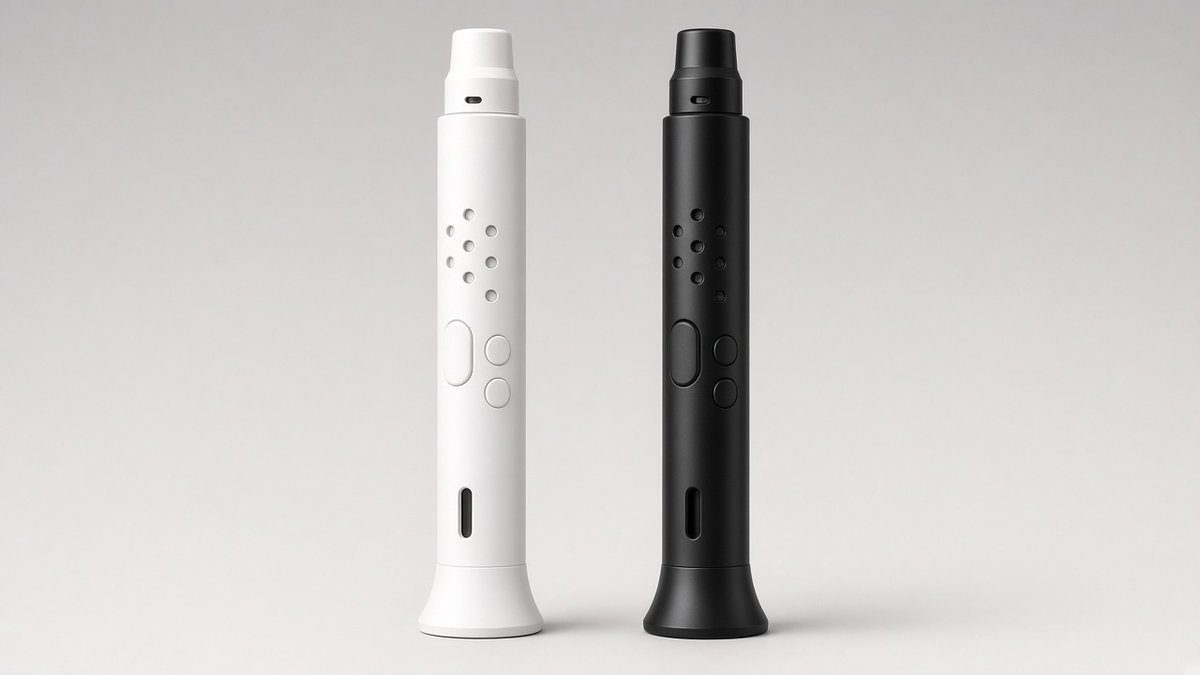
The Roland Aerophone vs Yamaha YDS comparison is the one every player makes before buying a digital horn, and the two brands answer the same question in opposite ways. Roland built a versatile sound machine controlled by breath. Yamaha built a saxophone that happens to be digital. Both are excellent, and the right choice depends entirely on whether you want to practise your acoustic technique or explore sounds an acoustic instrument cannot make.
Roland Aerophone vs Yamaha YDS at a Glance
| Feature | Roland Aerophone AE-20 | Yamaha YDS-150 |
|---|---|---|
| Approx price | $1,100 | $720 |
| Sounds | Over 250 | 73 |
| Mouthpiece | Proprietary with bite sensor | Real mouthpiece and synthetic reed |
| Fingering modes | Sax, clarinet, flute, recorder, brass | Saxophone only |
| Body | All plastic, light | Integrated brass bell |
| Power | AA batteries or USB | AA batteries or USB |
Yamaha YDS-150: Built to Feel Like a Saxophone
The YDS uses a standard alto mouthpiece with a synthetic reed, which means your embouchure does real work and transfers straight back to your acoustic horn. The brass bell gives physical feedback as you play, and the sampled Yamaha saxophones sound convincing in the registers most players actually use.
- Real mouthpiece and reed keep your embouchure sharp
- Acoustic bell for natural resonance and feedback
- Cheaper than the comparable Roland
- Sax key layout with no adjustment needed
- Saxophone fingering only
- Far fewer sounds and no synthesis engine
Roland Aerophone AE-20: Built to Make Any Sound
The Roland is the more flexible instrument by a wide margin. Over 250 voices cover acoustic instruments and synth tones, five fingering modes let clarinet and flute players use their own layout, and Bluetooth MIDI turns it into a serious studio tool.
- Enormous sound library across two engines
- Five fingering systems, not just saxophone
- Bluetooth audio and MIDI connectivity
- Lighter to hold for long sessions
- Around $380 more than the Yamaha
- Proprietary mouthpiece does not train embouchure
- Audible key clicks in quiet rooms
Sound and Feel Compared
On sound, the Roland Aerophone vs Yamaha YDS gap runs in both directions. Yamaha’s saxophone voices are more convincing than Roland’s, which makes sense given they are samples of Yamaha horns played by professionals. Roland wins everywhere else, because the AE-20 can be a clarinet, a flute, a trumpet, a string section or a synth pad, and it does all of those credibly enough for live work.
On feel, the gap is larger than the spec sheets suggest. Blowing into a real mouthpiece with a reed under your lower lip is a completely different experience from blowing into a plastic tube with a bite sensor. Sax players almost always prefer the Yamaha in a side by side trial, at least for the first ten minutes.
Which Should You Buy?
The Roland Aerophone vs Yamaha YDS decision usually comes down to one question: is this for practice or for performance? Buy the Yamaha if you play saxophone and want silent practice that keeps your technique intact. Buy the Roland if you want an instrument in its own right, if you play clarinet or flute, or if you need a wide sound palette for gigs and recording.
There is a cheaper way into the Roland Aerophone vs Yamaha YDS question. The Yamaha YDS-120 at around $400 uses the same keywork with a recorder style mouthpiece. See our roundups of the best digital saxophones and the best electronic wind instruments for the wider field.
Frequently Asked Questions
Which sounds more like a real saxophone?
The Yamaha, clearly. Roland’s sax voices are good, but Yamaha sampled its own instruments and it shows.
Can I use my own mouthpiece on the YDS-150?
Yes. It accepts standard alto mouthpieces, which is one of its biggest advantages over the Roland.
Which is better for a clarinet player?
The Roland, without question. It offers clarinet fingering, while the Yamaha YDS series is saxophone only.
Charlotte Moore

Charlotte Moore is a Clarinetist by profession and has over time offered lessons on how to play the clarinet among other musical instruments. And while a majority of clarinet players are well versed with the process of settling with a good clarinet among other accompanying features. There is little information about clarinets. The reason why Charlotte prepared comprehensive experts touching on the various facets of the clarinet. The consolidated information will offer more insight on everything clarinets including the best stand to use, and the best plastic clarinet that you can invest in, among other information. Charlotte Moore is a devoted mother of two and a professional clarinet player.