
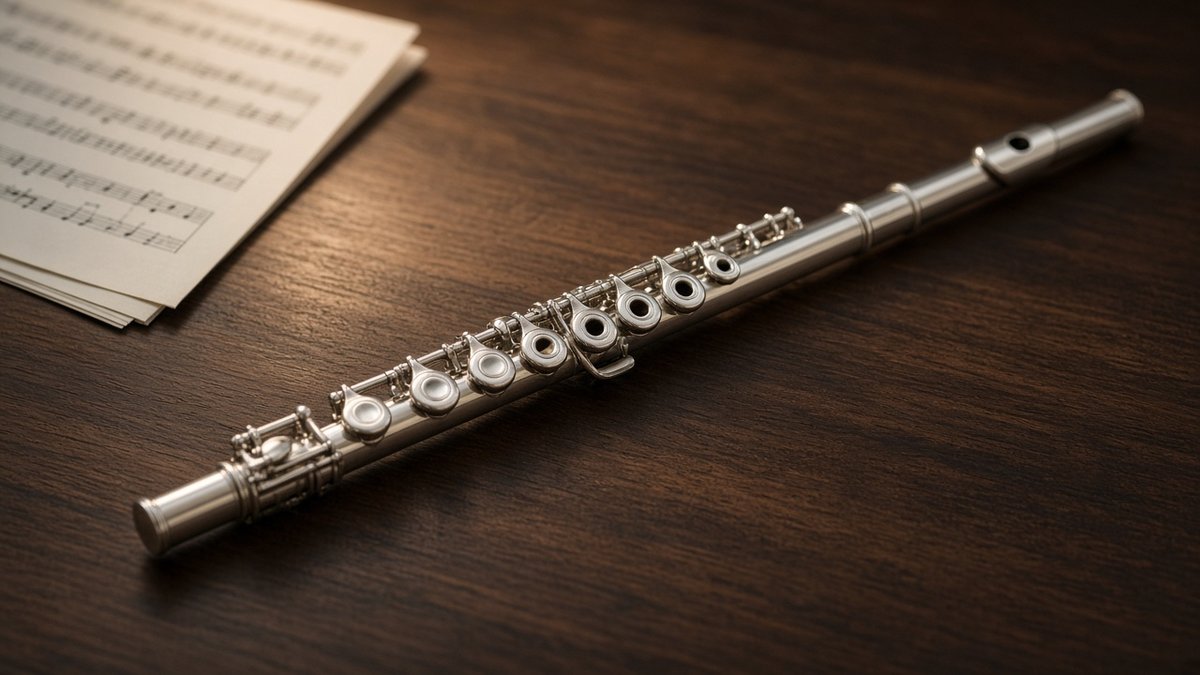
Choosing the best intermediate flute is the natural next step for a player who has outgrown their student instrument and wants room to keep developing. The best intermediate flute typically adds features like a solid silver headjoint, open-hole keys, and a B footjoint, all of which expand tonal possibilities and prepare a player for advanced repertoire. This guide covers the intermediate flutes that genuinely deliver that step up.
What Makes a Flute Intermediate?
Intermediate flutes, sometimes called step-up flutes, sit between student and professional instruments. The key upgrade is usually a solid silver headjoint, which is the single most important component for tone and produces a richer, more responsive sound than the silver-plated headjoint on student flutes. Many intermediate flutes also add open-hole keys, which allow advanced techniques and a more focused tone, and a B footjoint, which extends the range down to low B. These features support a player developing toward an advanced level.
Best Intermediate Flute: Quick Comparison
| Flute | Price | Headjoint | Best For |
|---|---|---|---|
| Yamaha YFL-362 | ~$1,200 | Solid silver | Best overall step-up |
| Pearl 525 | ~$900 | Solid silver | Best value intermediate |
| Gemeinhardt 3SB | ~$800 | Solid silver | Solid mid-range choice |
| Yamaha YFL-462 | ~$1,600 | Solid silver | Advanced intermediate |
Yamaha YFL-362: Best Intermediate Flute Overall
The Yamaha YFL-362 is the most widely recommended step-up flute, and it carries the same reliability that makes Yamaha’s student flutes so trusted. It features a solid silver headjoint, body, and footjoint, which produces a notably warmer and more responsive tone than student instruments. The open-hole keys and B footjoint give a developing player the features needed for intermediate and advanced repertoire. Because Yamaha’s quality control is excellent, the YFL-362 plays consistently and holds its value well, making it a sound long-term investment for a serious student.
- Solid silver headjoint, body, and footjoint
- Open-hole keys and B footjoint
- Warm, responsive tone
- Reliable Yamaha quality and resale value
- A significant investment over a student flute
- Open holes take adjustment for some players
View Yamaha YFL-362 Price on Amazon
Pearl 525: Best Value Intermediate Flute
Pearl is a Japanese company that makes flutes exclusively, and the 525 is their well-regarded intermediate offering. It features a solid silver headjoint that produces a warm, clear tone, along with the pinless construction Pearl is known for, which means fewer protruding components that can collect moisture and corrode. It’s available in open-hole and closed-hole versions, and it offers excellent value for a genuine intermediate instrument at a price below the Yamaha. For a player seeking a real step up without the premium cost, the Pearl 525 is a strong choice.
- Solid silver headjoint for warm tone
- Durable pinless construction
- Excellent value for an intermediate flute
- Open and closed-hole options
- Less brand recognition than Yamaha among some teachers
- Resale value slightly lower than Yamaha
View Pearl 525 Price on Amazon
Gemeinhardt 3SB: Solid Mid-Range Choice
The Gemeinhardt 3SB is a dependable intermediate flute with a solid silver headjoint and body, open-hole keys, and an inline G configuration. It produces a clear, warm tone and is suited to intermediate students and even some professionals. Gemeinhardt’s long history of making student and step-up flutes shows in the build quality, and the 3SB is a reasonable mid-range option for a player moving up from a 2SP or similar student model.
View Gemeinhardt 3SB Price on Amazon
When Should You Upgrade to an Intermediate Flute?
The right time to step up is usually after two to three years of consistent playing, when a student has developed solid fundamentals and is starting to feel limited by their student instrument. Signs include wanting a richer tone, needing the extended low range a B footjoint provides, or a teacher recommending open-hole keys for advancing technique. For a player heading toward high school band leadership, competition, or college auditions, an intermediate flute is a worthwhile investment.
If you’re not ready to step up yet, our guide to the best flute for beginners covers quality student options.
FAQ
What is the best intermediate flute?
The Yamaha YFL-362 is the best overall intermediate flute, with a solid silver headjoint, open-hole keys, and reliable Yamaha quality. For better value, the Pearl 525 offers a genuine step up at a lower price.
When should I upgrade from a student to an intermediate flute?
Usually after two to three years of consistent playing, once you have solid fundamentals and feel limited by your student instrument. A teacher’s recommendation, a desire for richer tone, or the need for open-hole keys and an extended range are all signs it’s time.
Do I need open-hole keys on an intermediate flute?
Open-hole keys allow advanced techniques and a more focused tone, and they’re standard on most intermediate flutes. They take some adjustment, but many players use temporary plugs while transitioning. For a player developing toward advanced repertoire, open holes are worth having.
Charlotte Moore

Charlotte Moore is a Clarinetist by profession and has over time offered lessons on how to play the clarinet among other musical instruments. And while a majority of clarinet players are well versed with the process of settling with a good clarinet among other accompanying features. There is little information about clarinets. The reason why Charlotte prepared comprehensive experts touching on the various facets of the clarinet. The consolidated information will offer more insight on everything clarinets including the best stand to use, and the best plastic clarinet that you can invest in, among other information. Charlotte Moore is a devoted mother of two and a professional clarinet player.