
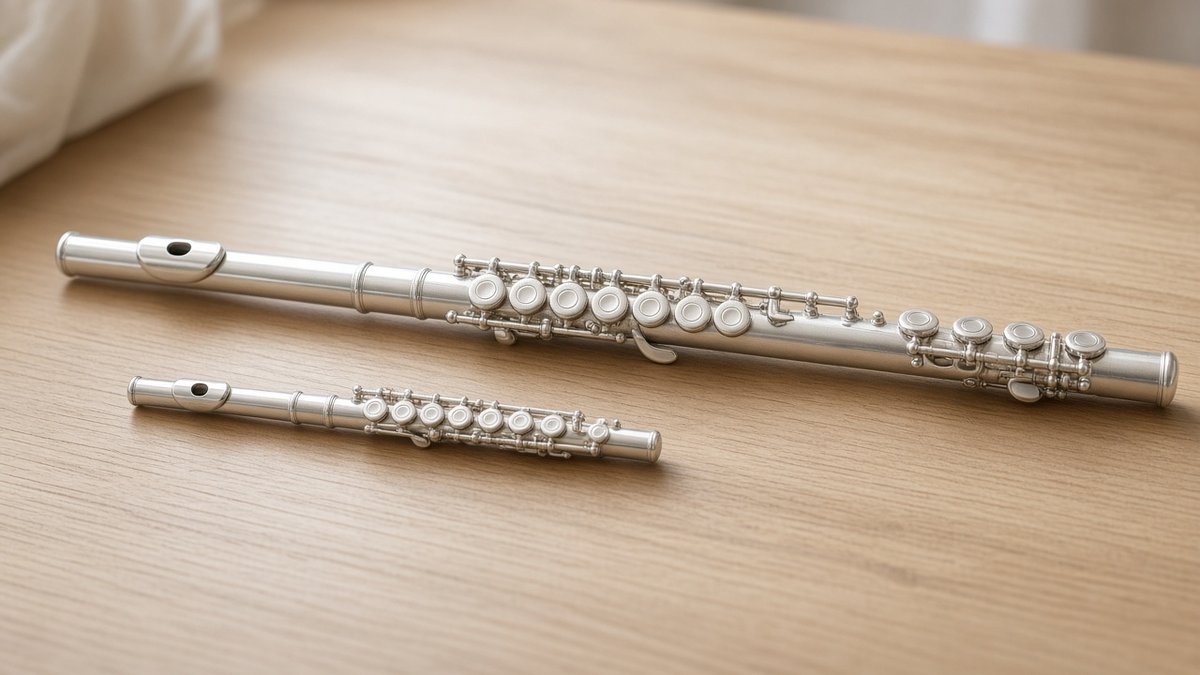
Finding the best piccolo for beginners means choosing an instrument that’s forgiving to play, stays in tune, and is built well enough to handle the demands of the piccolo’s high register. The best piccolo for beginners is usually a composite or plastic-bodied instrument, which is more stable and durable than wood for a developing player. This guide covers the piccolos that genuinely work for students stepping up from the flute.
Who Should Play the Piccolo?
The piccolo is almost always a second instrument for flute players rather than a true beginner instrument. It uses the same fingering as the flute but plays an octave higher, so flutists can transfer their skills directly. Most students take up the piccolo once they have solid flute fundamentals, often because their band or orchestra needs a piccolo part covered. Because the piccolo’s high register is demanding and its small size requires precise embouchure control, having a flute foundation first makes learning much smoother.
Best Piccolo for Beginners: Quick Comparison
| Piccolo | Price | Body | Best For |
|---|---|---|---|
| Yamaha YPC-32 | ~$700 | Nickel silver | Best overall student piccolo |
| Gemeinhardt 4P | ~$500 | Composite | Best value, durability |
| Jean Paul PC-650 | ~$300 | ABS / composite | Best budget |
Yamaha YPC-32: Best Piccolo for Beginners Overall
The Yamaha YPC-32 is the most recommended student piccolo, and it carries the same reliability that makes Yamaha’s flutes so trusted. It has a silver-plated nickel silver body that produces a clear, focused tone while staying durable and stable. The conical bore design helps with intonation in the high register, which is where piccolos are most challenging to control, and the keys are well made and responsive. For a flutist stepping up to piccolo who wants a quality instrument that will last, the YPC-32 is the standout choice.
- Clear, focused tone with reliable intonation
- Conical bore aids high-register control
- Durable nickel silver construction
- Trusted Yamaha quality and resale value
- More expensive than budget piccolos
- Metal body tone differs from orchestral wood piccolos
View Yamaha YPC-32 Price on Amazon
Gemeinhardt 4P: Best Value Piccolo
The Gemeinhardt 4P features a composite body that offers a warmer tone than metal piccolos while remaining stable and durable, which makes it a popular choice for students and marching band use. The composite material handles temperature and humidity changes far better than wood, so it doesn’t risk cracking the way a wooden piccolo can. It produces a pleasant, rounded tone and is backed by Gemeinhardt’s reputation for solid student instruments. For a player who wants a warmer sound at a lower price than the Yamaha, the 4P is an excellent value.
- Composite body, warmer tone than metal
- Stable and durable, good for marching band
- No cracking risk like wood piccolos
- Excellent value
- Tone less bright than metal for some settings
- Less resale value than Yamaha
View Gemeinhardt 4P Price on Amazon
Jean Paul PC-650: Best Budget Piccolo
The Jean Paul PC-650 is the best budget option for a student starting on piccolo. Like Jean Paul’s other instruments, it’s play-tested before shipping, so it arrives ready to play rather than needing adjustment. The composite body is stable and durable, and the instrument produces a clear tone that’s well suited to a developing player. For a flutist trying piccolo for the first time, or a family wanting to keep costs down, the PC-650 offers genuine quality at an accessible price.
View Jean Paul PC-650 Price on Amazon
V
Why Composite Beats Wood for Beginners
Professional piccolos are often made of grenadilla wood, which produces a warm, refined tone prized in orchestral playing. For a beginner, though, wood is the wrong choice. Wooden piccolos are sensitive to temperature and humidity changes and can crack, which is an expensive repair. Composite and metal piccolos are dimensionally stable, handle outdoor and marching use, and require far less careful maintenance. A student is much better served by a durable composite or metal piccolo until they reach an advanced level where a wood instrument makes sense.
If you’re still building your flute foundation, our guide to the best flute for beginners covers quality starting instruments.
FAQ
What is the best piccolo for a beginner?
The Yamaha YPC-32 is the best overall student piccolo, with clear tone and reliable intonation. For better value, the Gemeinhardt 4P offers a warmer composite-body tone, while the Jean Paul PC-650 is the best budget choice.
Should a beginner start on piccolo or flute?
Almost always flute first. The piccolo uses the same fingering as the flute but is smaller and plays an octave higher, which makes it more demanding to control. Most players take up the piccolo after developing solid flute fundamentals, often to cover a part in their band or orchestra.
Is a wood or composite piccolo better for beginners?
Composite is better for beginners. Wooden piccolos can crack with temperature and humidity changes and need careful maintenance, while composite and metal piccolos are stable, durable, and handle marching and outdoor use. Wood is best left until a player reaches an advanced level.
Charlotte Moore

Charlotte Moore is a Clarinetist by profession and has over time offered lessons on how to play the clarinet among other musical instruments. And while a majority of clarinet players are well versed with the process of settling with a good clarinet among other accompanying features. There is little information about clarinets. The reason why Charlotte prepared comprehensive experts touching on the various facets of the clarinet. The consolidated information will offer more insight on everything clarinets including the best stand to use, and the best plastic clarinet that you can invest in, among other information. Charlotte Moore is a devoted mother of two and a professional clarinet player.