
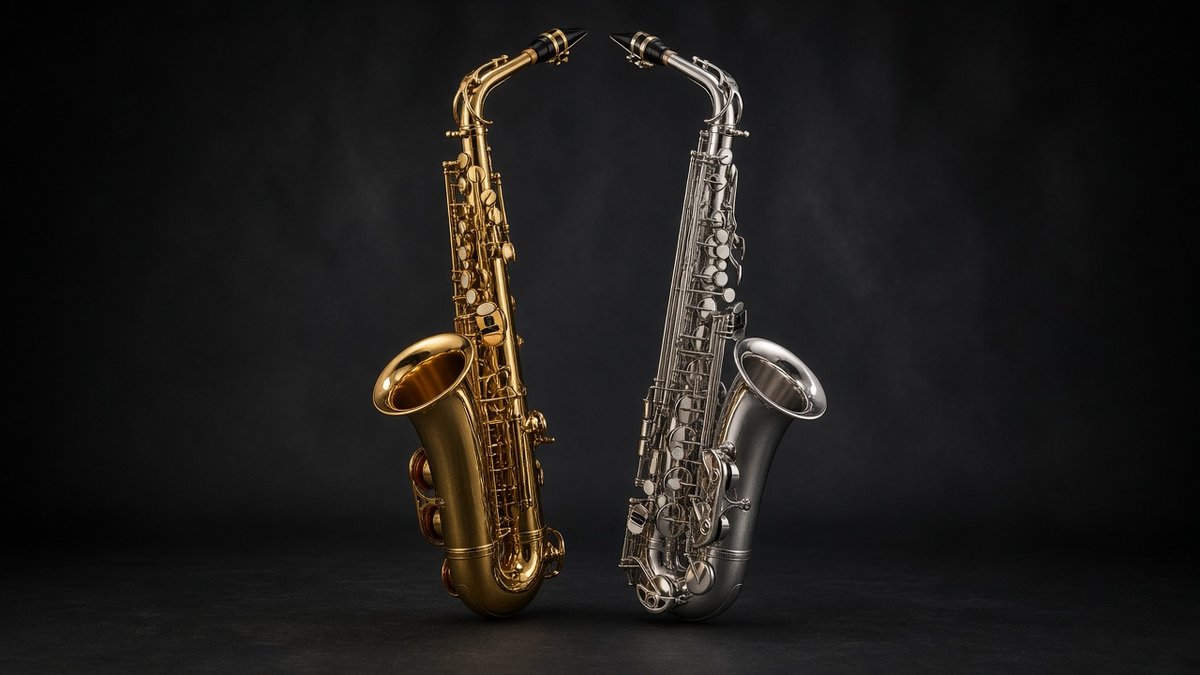
The Selmer vs Yamaha saxophone question splits players more than almost any other comparison in the woodwind world, and both camps are right. Selmer Paris built the sound that defines classical saxophone and much of jazz history. Yamaha built instruments that play in tune, feel the same every time and cost less. The choice matters most at professional level, where the price gap runs into thousands. Here is how the two brands actually differ.
Selmer vs Yamaha Saxophone: Quick Comparison
| Factor | Selmer Paris | Yamaha |
|---|---|---|
| Professional alto price | $6,500 to $8,500 | $3,800 to $5,500 |
| Tone | Rich, complex, more character | Clean, even, more neutral |
| Consistency between horns | Varies, worth trying several | Very high |
| Student range | Limited, mostly USA line | Strong, YAS-280 is the standard |
| Ease of play | Demands air support | More forgiving |
| Resale value | Exceptional | Strong |
The Case for Yamaha
In the Selmer vs Yamaha saxophone debate, Yamaha’s advantage is predictability. Manufacturing tolerances are tight enough that two horns from the same line play the same, which means you can order one unseen and expect exactly what the reviews describe. Intonation is excellent from the student YAS-280 through to the professional 62 and Custom Z lines, and the keywork suits a wide range of hand sizes.
That reliability is why Yamaha dominates school programmes and why so many working players use one as their everyday horn. The criticism, fair enough, is that the tone is neutral. It does what you ask and adds little personality of its own, which some players love and others find bland.
Yamaha YAS-280 (student)
- The most reliable student alto available
- Excellent intonation for ensemble work
- Strong resale value
- Costs roughly double the budget brands
- Basic supplied mouthpiece
Yamaha YAS-62III (professional)
- Professional performance at well under Selmer money
- Versatile across classical, jazz and pit work
- Consistent from instrument to instrument
- Less tonal character than a Selmer
- Often needs a mouthpiece change for jazz
The Case for Selmer Paris
Selmer horns have a depth that is hard to describe and easy to hear. The sound has more layers to it, particularly at soft dynamics, and it responds to small changes in embouchure in a way that rewards a developed player. Conservatoires across Europe still treat Selmer as the default, and the Mark VI remains the most sought after saxophone ever made.
The costs are real too. Prices are substantially higher, individual instruments vary enough that trying several is genuinely worthwhile, and the horns demand consistent air support. A student who would sound fine on a Yamaha can sound worse on a Selmer.
Selmer Paris Supreme (professional)
- Rich, complex tone with exceptional dynamic range
- The expected instrument in classical settings
- Outstanding long term resale value
- Several thousand dollars more than the Yamaha equivalent
- Requires strong technique to sound its best
Which Should You Buy?
For a student or an intermediate player, the Selmer vs Yamaha saxophone question barely exists: buy the Yamaha. The consistency helps a developing player far more than tonal complexity they cannot yet access, and the price difference funds years of lessons.
At professional level the Selmer vs Yamaha saxophone choice becomes real. Classical players and anyone auditioning in Europe should try Selmer seriously. Jazz, commercial and pit players are well served by either, and plenty of professionals choose Yamaha specifically because they can rely on it night after night. Try both with your own mouthpiece before deciding. Our roundups of the best professional saxophones and the best intermediate saxophones cover each tier in detail.
Frequently Asked Questions
Does Selmer make student saxophones?
Selmer USA does, and they are different instruments from Selmer Paris. Check which one a listing refers to before buying.
Is a Selmer worth twice the price?
For a professional who hears and uses the difference, often yes. For everyone else, the money is better spent on lessons and a good mouthpiece.
Which holds value better?
Selmer Paris, especially vintage models. Yamaha resale is strong but more predictable and less dramatic.
Charlotte Moore

Charlotte Moore is a Clarinetist by profession and has over time offered lessons on how to play the clarinet among other musical instruments. And while a majority of clarinet players are well versed with the process of settling with a good clarinet among other accompanying features. There is little information about clarinets. The reason why Charlotte prepared comprehensive experts touching on the various facets of the clarinet. The consolidated information will offer more insight on everything clarinets including the best stand to use, and the best plastic clarinet that you can invest in, among other information. Charlotte Moore is a devoted mother of two and a professional clarinet player.